Multi-Layered Fire Protection for Lithium-Ion BESS
Battery Energy Storage Systems (BESS) are rapidly expanding across clean energy infrastructure—and with that growth comes new fire and life safety challenges. Lithium-ion battery systems introduce complex risks such as thermal runaway, off-gassing, high-voltage hazards, environmental hazards, and confined-space event escalation. Protecting these environments requires more than traditional fire protection—it requires engineered, layered strategies built specifically for energy storage operations.
ORR Protection implements a multi-layered approach to lithium-ion BESS fire protection, combining detection, suppression, ventilation, monitoring, and emergency planning into one coordinated solution. We work directly with your organization—including your engineering group—to navigate the critical decisions required to protect your assets, uptime, personnel, and surrounding communities.
BESS Resources
The BESS Experience
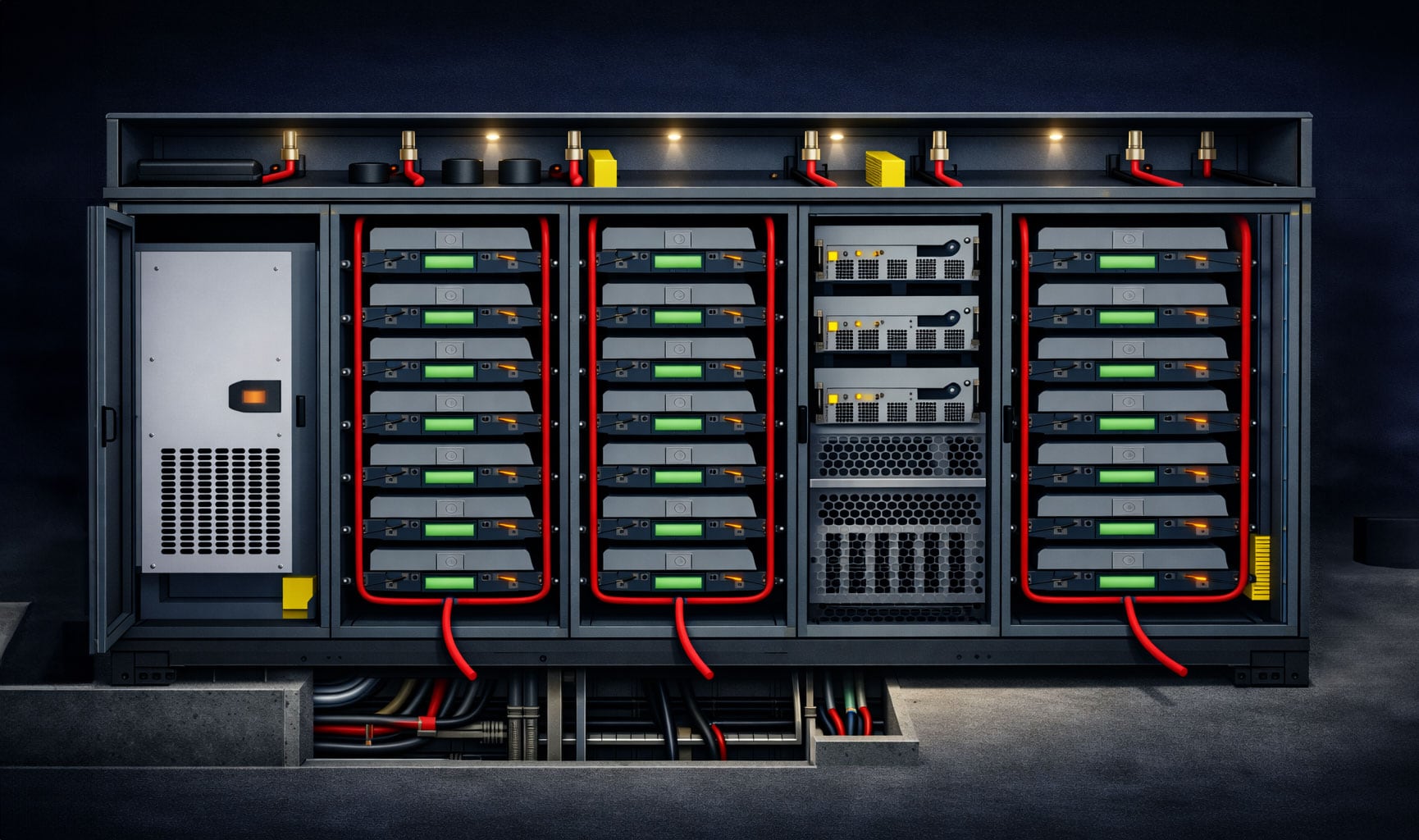
Battery Rooms
Relevant Standards
- NFPA 855 Section 9.7.2.3 requires fire protection systems to address the greatest hazard where multiple ESS technologies are present .
- Passive fire control to mitigate cascading thermal runaway effects (NFPA 855 Annex C.7).
Solutions:
Power Conversion Equipment and Inverter Rooms
Relevant Standards:
NFPA 855 Section 9 emphasizes fire suppression based on environmental and equipment-specific hazards.
Solutions:
- Gaseous suppression systems (e.g., FK-5-1-12 or inert gas clean agents) to mitigate fires in electrical components.
- Integrate smoke detectors linked to fire alarms for rapid response.
Ensure proper ventilation to dissipate heat and reduce the risk of ignition.
Outdoor BESS Enclosures
Relevant Standards
Annex G of NFPA 855 recommends Large-Scale Fire Testing (LSFT) for outdoor applications to test spacing and fire barriers to contain cascading effects .
Solutions:
- Maintain minimum spacing between BESS enclosures to prevent propagation.
- Use venting systems to handle gas release from thermal runaway scenarios.
- Install fire-rated enclosure walls capable of withstanding thermal events and preventing flame or heat transfer to adjacent systems.
Hazardous Materials Storage
Relevant Standards
Ensure suppression systems address chemical hazards per NFPA 855 Annex G.10.7 and NFPA 13 .
Solutions:
- Employ inert gas suppression systems for areas storing reactive chemicals.
- Use spill containment systems to handle leaks.
- Fire-rated containers must safely isolate flammable liquids, with sensors for vapor or gas leaks.
Cooling and HVAC Systems
Relevant Standards
NFPA 855 Annex G recommends robust systems to cool batteries and reduce the risk of thermal runaway (Section G.6) .
Solutions:
- Automatic shutdown and fire suppression tied to cooling system alerts.
- Fire-rated ducting to prevent fire spread through ventilation routes.
- Equip cooling systems with thermistor-based heat monitoring for early failure detection.
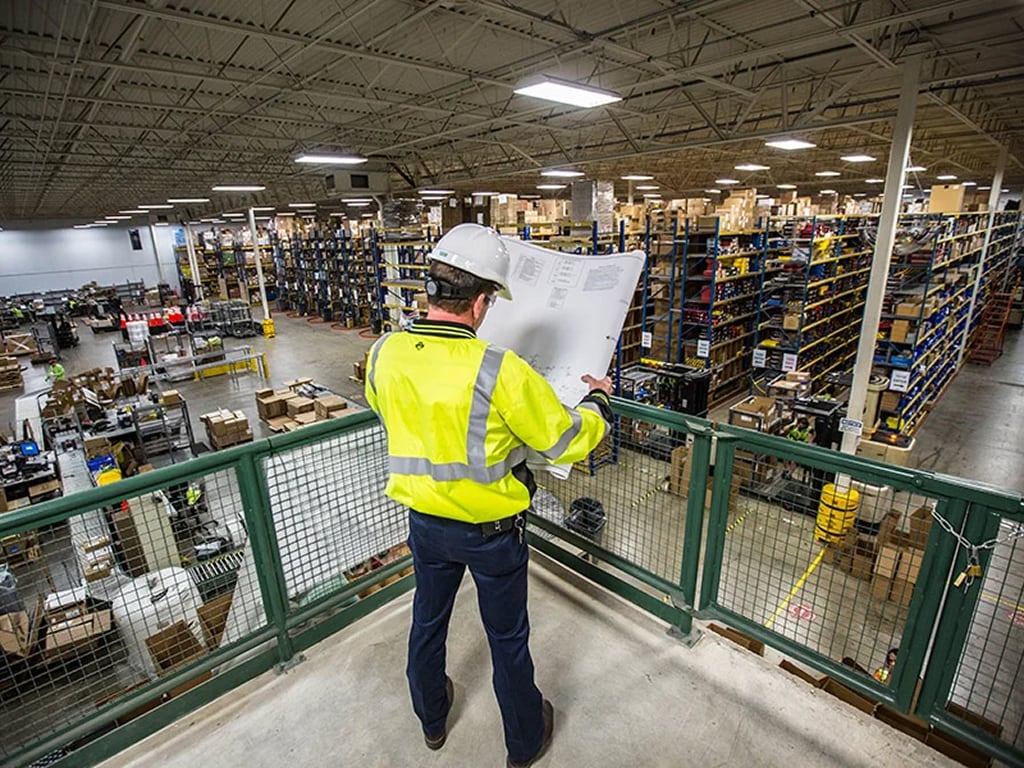
Engineering Support + End-to-End Solution Delivery.
We provide comprehensive ORR protection and project development support, including consulting services with local Authorities Having Jurisdiction (AHJs), County Commissioners, and City Council members to facilitate effective project planning and approvals. Our expertise also extends to Battery Manufacturing Factory Acceptance Testing (FAT), as well as large-scale fire testing for Battery Energy Storage System (BESS) projects, where we offer on-site witness support and detailed reporting to ensure safety, compliance, and operational readiness.
Consulting services with local AHJ, County Commissioners and City Council meeting support for project planning. Battery Manufacture Factory Acceptance Testing, large scale fire test witness support and reporting,
Unlike many installations that require multiple contractors, ORR designs a seamless, turnkey solution that significantly reduces contractor overlap and simplifies accountability. Our team coordinates the fire protection scope as an integrated system—ensuring the strategy supports operational performance while meeting applicable codes, site requirements, and safety objectives.
Unlike many installations that require multiple contractors, ORR designs a seamless, turnkey solution that significantly reduces contractor overlap and simplifies accountability. Our team coordinates the fire protection scope as an integrated system—ensuring the strategy supports operational performance while meeting applicable codes, site requirements, and safety objectives. In addition, ORR provides comprehensive consulting services, including early-stage project planning support with local AHJs, County Commissioners, and City Councils. Our expertise extends to battery manufacturer Factory Acceptance Testing (FAT), large-scale fire test witnessing, and detailed reporting—helping stakeholders make informed decisions and advance projects with confidence.
Top 6 Fire Protection Risks in Clean Energy BESS
For clean energy BESS projects, it is necessary to assess the environmental effects of off-gas emissions, smoke, and fire protection water runoff to mitigate air quality issues, dangerous by-products, and contaminated water discharge associated with fire incidents.
1. Thermal Runaway
Lithium-ion batteries are susceptible to thermal runaway—a chain reaction that causes rapid overheating and can result in fire or explosion. Effective thermal management, early detection, and specialized fire protection strategies are critical to reducing this risk.
2. Fire Detection & Suppression Limitations
Early fire detection in battery energy storage systems (BESS) is challenging due to their sealed and confined design. Traditional fire suppression systems are not proven to extinguish lithium-ion battery fires, making advanced detection and purpose-built suppression strategies essential.
3. Chemical Hazards
Battery materials, including lithium and electrolyte compounds, pose significant chemical hazards when exposed to fire. These substances can be toxic, corrosive, or highly reactive, requiring specialized containment, ventilation, and emergency response procedures.
4. Environmental Impacts
Fires present significant environmental risks, including the release of toxic airborne gases that threaten responders and nearby communities, contaminated firefighting runoff carrying hydrofluoric acid and heavy metals into soil and waterways, and long-term deposition of hazardous metals on land and water as seen in incidents. These impacts are mitigated through advanced BESS design, early gas detection, robust containment and runoff management systems, and strict adherence to standards such as NFPA 855 to reduce the likelihood and severity of thermal runaway events.
5. System Integration Challenges
Fire protection systems must be carefully integrated into the overall BESS design. Solutions must provide effective protection without interfering with system operation, performance, or monitoring—making coordination between fire protection and energy systems critical.
6. Maintenance & Inspection Requirements
Ongoing maintenance and inspection of both fire protection systems and battery components are essential for long-term safety. Keeping systems properly maintained and aligned with evolving codes, standards, and technologies presents ongoing operational and financial challenges.
ITM&M: Inspection, Testing, Maintenance & Monitoring
One of the most significant and frequently underestimated risks in BESS fire protection is the gap between system installation and long-term operational effectiveness.
Over time, detection devices drift, sensors foul, suppression components age, software and firmware updates alter operating conditions, and system integrations evolve. While systems may remain physically installed, they may no longer operate in alignment with their original design intent or listing conditions.
ProtectORR strengthens ITM&M effectiveness by extending visibility beyond periodic inspections into continuous system awareness. Through active monitoring of alarm, trouble, and supervisory conditions, ProtectORR helps confirm that fire detection, suppression, and supporting life-safety systems are functioning as intended between inspection intervals not just at the moment of testing.
From a code compliance perspective, disciplined ITM&M supported by monitoring is essential to maintaining alignment with NFPA 855, IFC Chapter 12, NFPA 72, NFPA 25, and the system’s UL 9540 conditions of acceptability. ProtectORR supports this intent by enabling documented system status, faster response to abnormal conditions, and early identification of performance degradation that could otherwise go unnoticed until a failure occurs.
Effective ITM&M is not simply about checking boxes, it is about confirming readiness. ProtectORR helps owners and operators demonstrate that their BESS fire protection systems remain operationally effective, code-aligned, and prepared to perform when conditions demand it.
Connect with our BESS Team
-
 Chuck HatfieldBusiness Development | Power Generation/Industrial – Atlanta, GA
 -
 Rick ReynoldsExecutive Vice President, Business Development
 -
 Lee Kaiser, P.E.Vice President, Engineering & Training
Request a Consultation
[Request consultation Form]
ORR Protection needs the contact information you provide to us to contact you about our products and services. You may unsubscribe from these communications at anytime. For information on how to unsubscribe, as well as our privacy practices and commitment to protecting your privacy, check out our Privacy Policy.