Customized Solutions Built to Code.
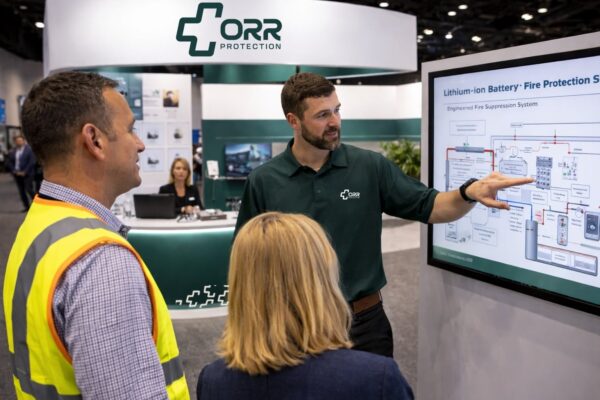
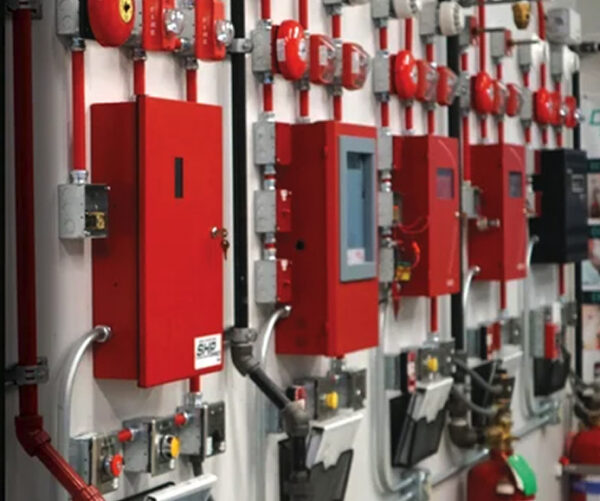
ORR Protection provides end-to-end fire protection solutions for data centers, guiding businesses through every stage from design to implementation and maintenance. Our deep technical resources include nationwide subject matter experts and direct manufacturer support, ensuring the most effective fire protection strategies. Each solution is led by fire protection engineers and integrates suppression, detection, and control for a comprehensive approach to fire safety.
With over 50 years of experience and a combined 125+ years of expertise in data center fire protection, ORR Protection is a trusted industry leader. We are actively involved in shaping fire protection standards, serving on the NFPA 75 code board committee and contributing to the development of industry regulations. ORR Protection partners with over 80% of the top hyperscale and enterprise data center providers in the U.S., delivering fire protection solutions across more than 74 million square feet of data center space. From system design, installation, and upgrades to service, inspections, and remote monitoring, we help ensure mission-critical environments remain continuously protected.
Data Center Resources
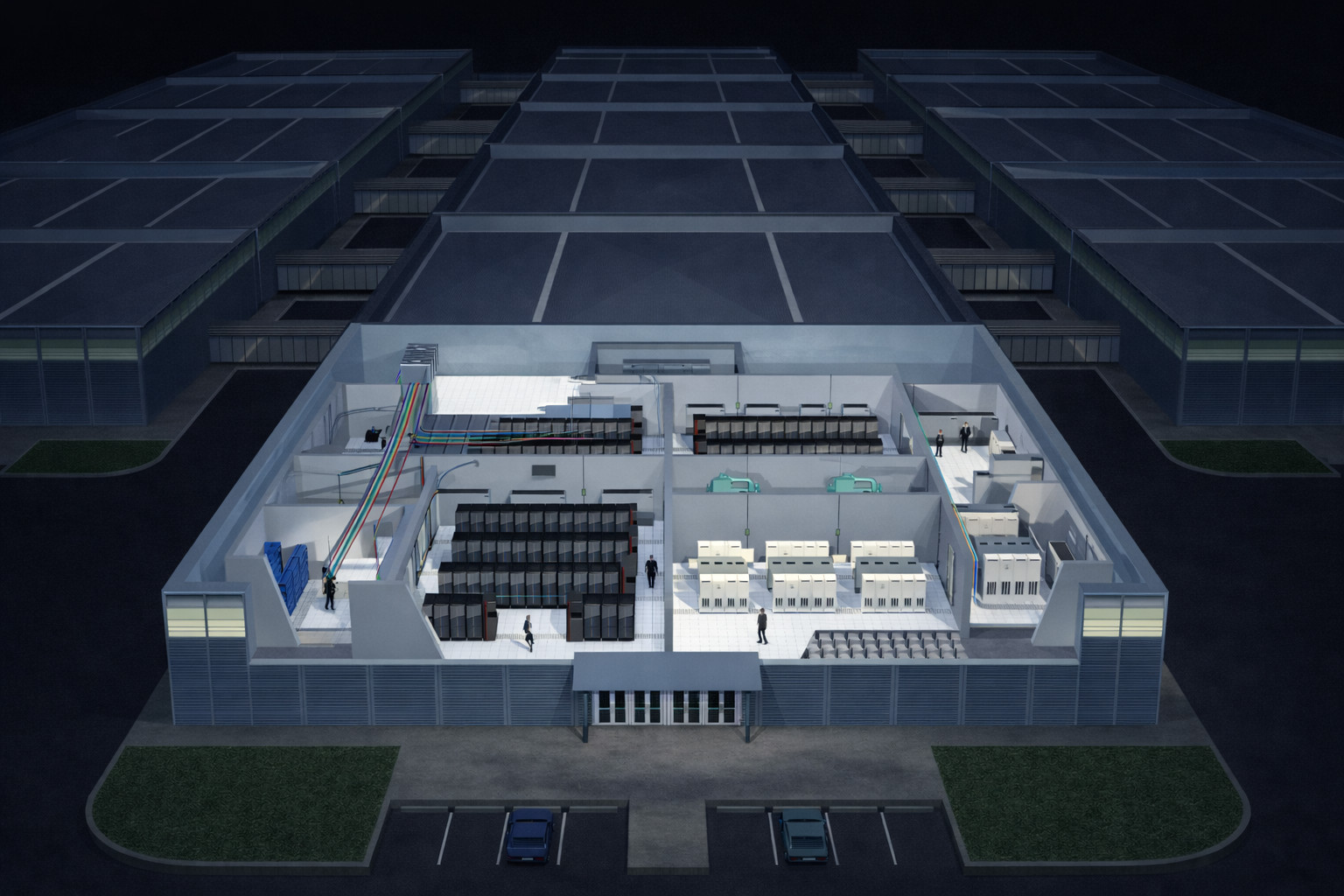
The Data Center Experience
Air Intake
Relevant Standards:
NFPA 75 addresses risks associated with immersion cooling and HVAC systems
NFPA 110-Standard for Emergency and Standby Power Systems
NFPA 72-National Fire Alarm Code
NFPA 70- National Electric Code
NFPA 37-Standard for the Installation and use of Stationery and Combustion Engines and Gas Turbines
NFPA 30- Flammable and Combustible Liquid Codes
NFPA 13- Standard for Installation of Sprinkler Systems
NFPA 101- Life Safety Code
NFPA 70B- Standard Outlines Preventative Maintenance Practices for Electrical Systems
NFPA 1- Life Safety Code
NFPA 90A-Standard for the Installation of Air-Conditioning and Ventilating Systems
NFPA 90B-Standard for the Installation of Warm Air Heating and Air-Conditioning Systems
Solutions:
- Detection: Temperature sensors and thermal imaging to identify overheating risks.
- Suppression: Install sprinklers or clean agents near equipment prone to overheating.
- Provide automatic shutoff mechanisms for air circulators to prevent smoke and fire redistribution during incidents.
- ASD smoke detection
Generator Room
NFPA 110-Standard for Emergency and Standby Power Systems
NFPA 750- Standard on Water Mist Protection
NFPA 770- Standard on Hybrid Water Mist
NFPA 2001- Standard for Clean Agent Fire Extinguishing Systems
NFPA 72-National Fire Alarm Code
NFPA 75 (2024) Standard for Fire protection of information Technology Equipment
NFPA 70- National Electric Code
NFPA 37-Standard for the Installation and use of Stationery and Combustion Engines and Gas Turbines
NFPA 30- Flammable and Combustible Liquid Codes
NFPA 13- Standard for Installation of Sprinkler Systems
NFPA 101- Life Safety Code
Solutions:
- Fire Suppression: Use clean agent suppression systems (e.g., FM-200, NOVEC 1230) to avoid water damage.
For larger rooms, consider pre-action or dry-pipe sprinkler systems designed to NFPA 13 standards. - Fire Detection: Install heat and smoke detectors integrated with the central fire alarm system for rapid response.
Employ linear heat detection systems for enclosed spaces or hard-to-reach areas.
Server Hall
NFPA 72-National Fire Alarm Code
NFPA 70- National Electric Code
NFPA 75-Standard for the Fire Protection of Information Technology Equipment
NFPA 13- Standard for Installation of Sprinkler Systems
NFPA 110-Standard for Emergency and Standby Power Systems
NFPA 101- Life Safety Code
NFPA 70B- Standard Outlines Preventative Maintenance Practices for Electrical Systems
NFPA 750- Standard on Water Mist Protection
NFPA 770- Standard on Hybrid Water Mist
NFPA 2001- Standard for Clean Agent Fire Extinguishing Systems
NPFA 76- Fire Protection of Telecommunications Facilities
Solutions
Fire Detection: Install Very Early Smoke Detection Apparatus (VESDA) for prompt detection in equipment spaces.
- Suppression Systems:
Clean agent systems (e.g., NOVEC 1230, FM-200) are preferred to protect sensitive IT equipment and avoid water damage.
Sprinklers designed to NFPA 13 standards may be present as a backup system but must have proper drainage systems to minimize potential harm. - Compartmentation:
Divide server rooms with fire-rated barriers to confine fire spread and allow isolated fire suppression.
Provide independent HVAC systems to control smoke distribution
Operations Center
Relevant Standards:
NFPA 72-National Fire Alarm Code
NFPA 70- National Electric Code
NFPA 75-Standard for the Fire Protection of Information Technology Equipment
NFPA 13- Standard for Installation of Sprinkler Systems
NFPA 110-Standard for Emergency and Standby Power Systems
NFPA 101- Life Safety Code
NFPA 750- Standard on Water Mist Protection
NFPA 770- Standard on Hybrid Water Mist
NFPA 2001- Standard for Clean Agent Fire Extinguishing Systems
NFPA 70B- Standard Outlines Preventative Maintenance Practices for Electrical Systems
NPFA 76- Fire Protection of Telecommunications Facilities
Solutions:
ASD smoke detection
Pre-action sprinkler
Clean-agent suppression system
Mechanical Rooms
Relevant Standards:
NFPA 72-National Fire Alarm Code
NFPA 70- National Electric Code
NFPA 13- Standard for Installation of Sprinkler Systems
NFPA 110-Standard for Emergency and Standby Power Systems
NFPA 101- Life Safety Code
NFPA 750- Standard on Water Mist Protection
NFPA 770- Standard on Hybrid Water Mist
NFPA 2001- Standard for Clean Agent Fire Extinguishing Systems
NFPA 70B- Standard Outlines Preventative Maintenance Practices for Electrical Systems
Solutions:
ASD Smoke Detection
Smoke Detection
Pre-action sprinkler
Under-Floor Leak Detection
Relevant Standards:
Ensure detection and suppression under raised floors
NFPA 75
NFPA 72-National Fire Alarm Code
NFPA 13- Standard for Installation of Sprinkler Systems
NFPA 99- HealthCare Facilities code
Solutions:
Aspirating smoke detection for rapid identification of smoldering cables.
Clean agent suppression or automatic sprinklers under the flooring.
UPS/Electrical Distribution
Relevant Standards:
NFPA 70- National Electric Code
UPS Systems:
Article 645.11 – UPS in Information Technology Equipment (ITE) Rooms:
Article 700 and 701 – Emergency and Standby Systems:
Article 100 – UPS Definition:
Electrical Distribution:
Article 646.20 – Modular Data Centers (MDCs):
Section 215.18 – Surge Protection for Distribution Equipment:
NFPA 75 Chapter 11 includes provision for uninterruptible power supplies and other types of batteries
Solutions:
Detection:
Multi-sensor smoke or heat detection systems designed for early intervention.
Suppression:
Clean agents or high-expansion foam if flammable liquids are present.
Pre-action systems to avoid accidental discharges.
Ensure proper containment and fire-rated enclosures.
Chiller Room
Relevant Standards:
NFPA 1- Life Safety Code
NFPA 70- National Electric Code
NFPA 90A-Standard for the Installation of Air-Conditioning and Ventilating Systems
Solutions:
Smoke detection
Pre-action sprinkler
Refrigerant gas leak detection
Crah Gallerries
Relevant Standards:
NFPA 72-National Fire Alarm Code
NFPA 13- Standard for Installation of Sprinkler Systems
NFPA 76-Standard for the Fire Protection of Telecommunications Facilities
NFPA 99- HealthCare Facilities code
Solutions:
ASD smoke detection
Pre-action sprinkler
Battery Room
Relevant Standards:
NFPA 855 specifically governs fire protection for lithium-ion battery energy storage systems. These guidelines include detection, suppression, storage precautions, and hazard mitigation plans .
NFPA 70 National Electric Code
Solutions:
- Hazard Analysis: Conduct a fire hazard analysis prepared by a registered fire protection engineer and submit it to the AHJ (Authority Having Jurisdiction) .
- Fire Detection:
Use off-gas detection systems for early detection of electrolyte vapors during thermal runaway .
Radiant-energy and thermal imaging-based fire detection systems can identify hotspots .
Fire Suppression:
Employ clean agent suppression systems or water-mist systems to manage fires without exacerbating the risks of thermal runaway.
Sprinklers, if used, should be designed to control the flammable atmosphere, with careful ventilation planning to prevent gas buildup and flashover risk . - Ensure ventilation to manage flammable gas buildup during and after suppression
Administrative
Administrative offices would also need to comply with NFPA 1 for fire safety requirements, such as operations, fire prevention, and compliance in new and existing buildings
Relevant Standards:
NFPA 101-Life Safety Code
NFPA 5000- Building Construction and Safety Code
NFPA 1- Fire Code
NFPA 13- Standard for Installation of Sprinkler Systems
Solutions:
Smoke detection
Wet sprinkler
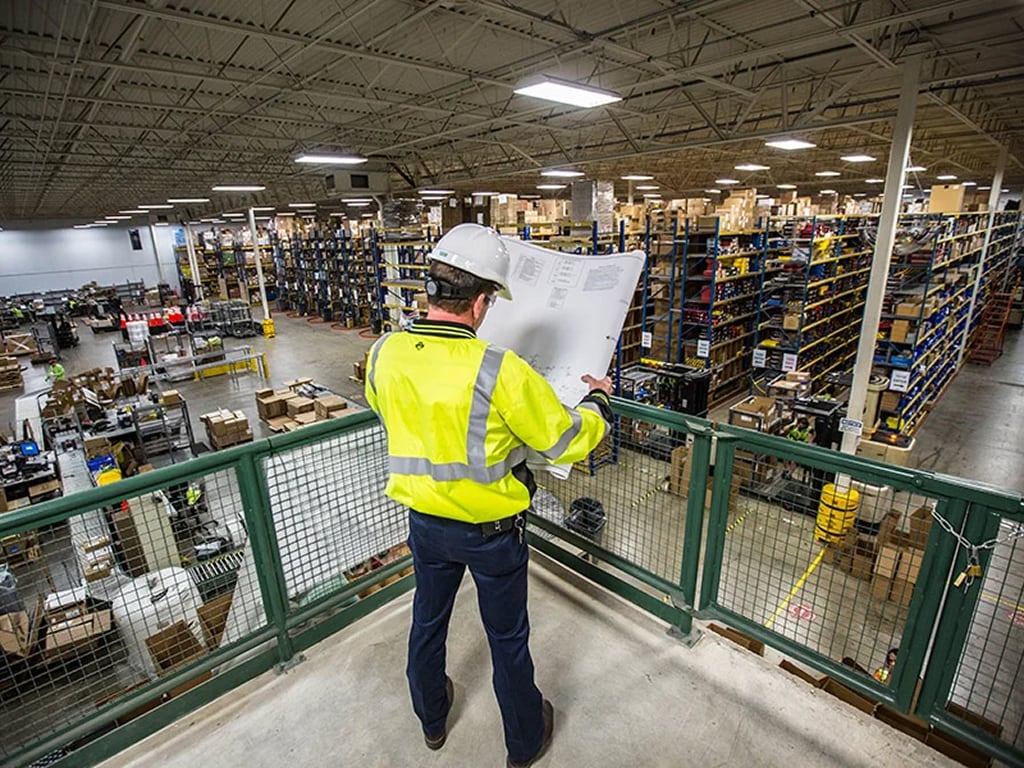
The ORR Experience
Experts Behind Every System. Protection Behind Every Decision.
Discover what sets ORR apart. From industry-embedded experts and engineered system design to seamless installation, performance monitoring, and real-time remote oversight, our team delivers comprehensive fire protection support at every stage of your data center’s lifecycle.
ITM&M: Inspection, Testing, Maintenance & Monitoring
In data centers, the effectiveness of fire protection systems is defined not at installation, but through continuous operational readiness. Over time, fire alarm devices drift, aspirating smoke detection sampling points foul, clean agent system components age, and network or power changes alter airflow and detection response characteristics. These conditions can quietly degrade system performance while facilities remain online.
Effective ITM&M supports ongoing alignment with NFPA 76 (Telecommunications Facilities), NFPA 72 (National Fire Alarm and Signaling Code), NFPA 2001 (Clean Agent Fire Extinguishing Systems), NFPA 25 (Inspection, Testing, and Maintenance), and applicable sections of the International Fire Code (IFC). Maintaining compliance with these standards—along with owner and carrier requirements—requires more than periodic inspections; it requires verification that systems remain functional between service intervals.
Remote monitoring platforms such as ProtectORR strengthen ITM&M programs by providing continuous visibility into alarm, supervisory, and trouble conditions. This allows abnormal system behavior to be identified and addressed early, supports faster response in unmanned facilities, and helps document operational compliance over the life of the system.
Effective ITM&M in connected communications facilities is not a compliance exercise—it is a business continuity strategy. Proper inspection, testing, maintenance, and monitoring ensure fire protection systems remain ready to perform, minimize service disruption, and protect the networks customers depend on every day.
Customized Solutions for Every Data Center
Our custom systems are designed for rapid detection, compliance with industry regulations, and uninterrupted business continuity no matter what kind of solution you need. No two facilities are the same, which is why we design tailored fire protection strategies for: Hyper-scale, Co-location, Modular, Enterprise, Edge, Neocloud, and High-Performance / AI Data Centers.
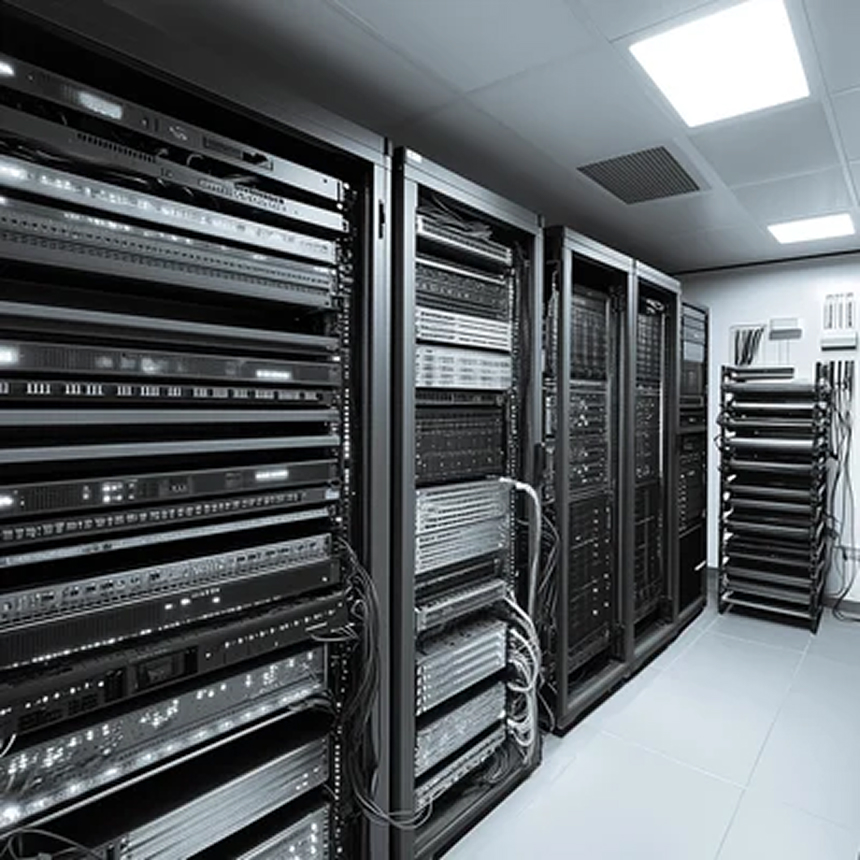

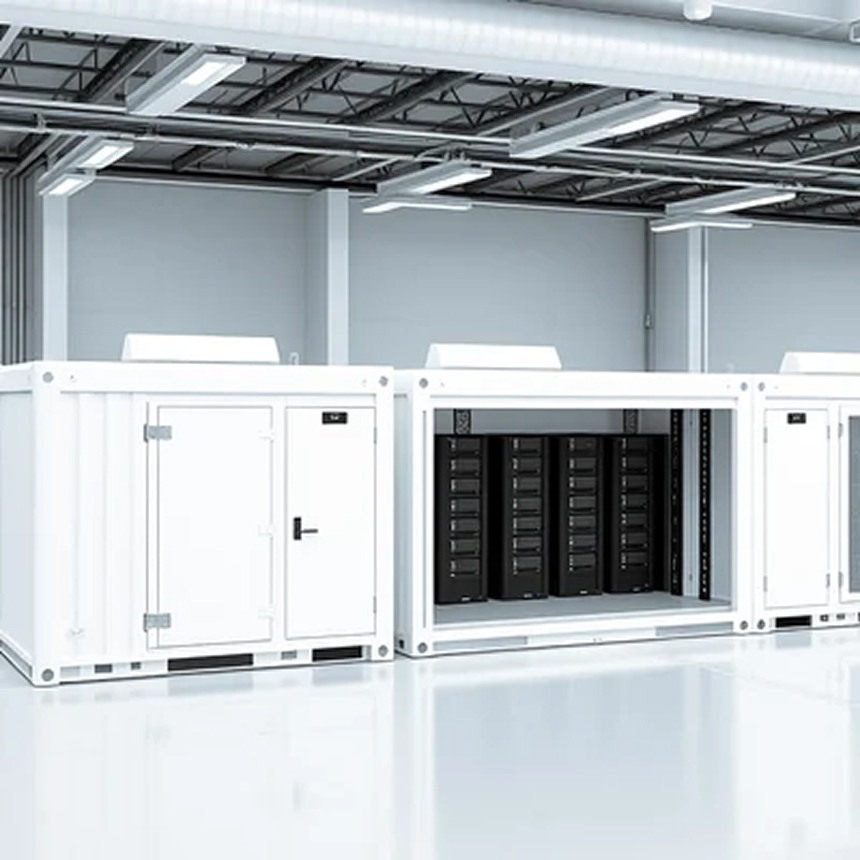
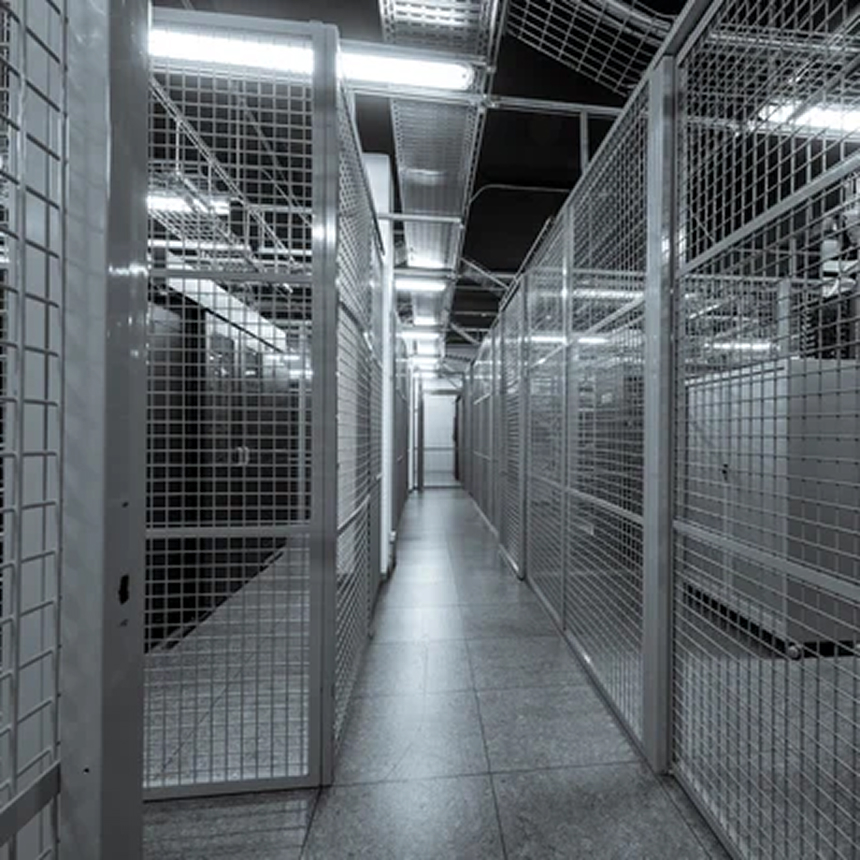

ORR’s superior solutions utilizing a combination of technologies specific to your data center needs and size requirements. We offer a range of solutions for alarm, detection, suppression and services.
- VESDA Air Sampling
- Fire Alarm/Panels
- Pre-action Sprinkler
- Lithium-ion Battery Failure Detection
- Suppression Water Mist
- Suppression Clean Agents
- Bi-Directional Amplifier
- Area of Refuge
- Remote Monitoring
Connect with our Data Center Team
-
 Wes MarcksVP Business Development | Data Center – Atlanta, GA
 -
 Rory ManleyVP Business Development | Data Center – Phoenix, AZ
 -
 Rick ReynoldsExecutive Vice President, Business Development
 -
 Lee Kaiser, P.E.Vice President, Engineering & Training
Request a Consultation
[Request consultation Form]
ORR Protection needs the contact information you provide to us to contact you about our products and services. You may unsubscribe from these communications at anytime. For information on how to unsubscribe, as well as our privacy practices and commitment to protecting your privacy, check out our Privacy Policy.