Scalable Solutions for Every Power Generation and Energy Environment
ORR Protection provides a full range of industry-focused fire and life safety services for power generation facilities, with the flexibility to deploy across North America and the Caribbean. Our teams bring deep expertise in fire risk assessments, fire suppression system design, installation, inspection, maintenance, repair, and emergency response.
ORR’s Power Generation specialists support a broad spectrum of energy owners and operators, ranging from municipal utilities and regional co‑ops to large investor‑owned utilities, independent power producers, and national energy portfolios operating in both regulated and deregulated markets. Our teams work across traditional and emerging power environments, including centralized generation assets, distributed energy resources, and mission‑critical infrastructure tied to grid and microgrid operations.
Whether you’re responsible for facilities, procurement, or project execution, ORR delivers a seamless, end-to-end solution backed by in-house technical capabilities, including:
- System engineering and design
- Code knowledge and compliance support
- Hazard mitigation analysis
- Emergency communications planning
- Multiple manufacturers support
- Emergency response plan development
Power Generation Resources
The Power Generation Experience
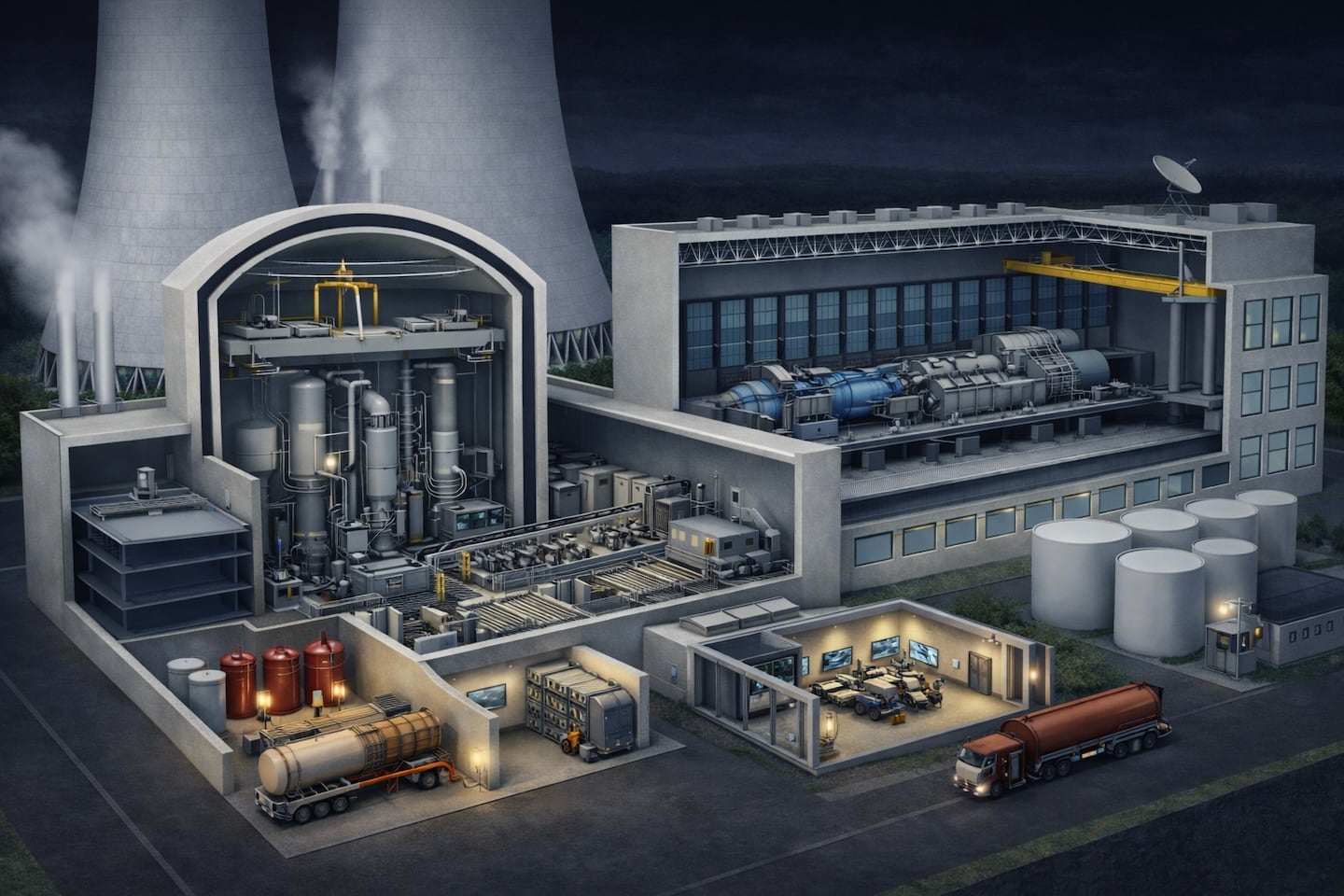
Fire protection systems in a power generation plant must account for the unique hazards across various facility components. These areas pose risks, including combustible materials, high-energy sources, and delayed response times at unattended facilities.
Turbine and Generator Areas
Relevant Standards
Fire protection systems must address risks related to turbine bearings, oil leakage, and high-temperature components (NFPA 850 Chapter 10).
Solutions
- Water Spray Systems: Protect turbulent fire hazards around turbine bearings and surrounding equipment .
- Foam Systems: Use in areas where oil can flow and pool, minimizing risks of ignition.
- Heat and flame detection sensors to activate suppression systems promptly .
Switchgear and Electrical Rooms
Relevant Standards
Electrical hazards must be protected using non-water suppression systems (e.g., gaseous or hybrid systems) to prevent equipment damage (NFPA 850, Section A.4.3.2).
Solutions
- Clean Agent Suppression Systems (e.g., NOVEC 1230 or FM-200) to extinguish fires without damaging electrical components.
- Heat and arc fault detection to identify electrical overload fires early.
- Alarms connected to constantly attended monitoring locations for immediate response (NFPA 850, Section A.5.4.4.2.1) .
Fuel Handling Areas
Relevant Standards
Areas for coal, oil, or gas handling have significant fire risks, and additional protection is required by NFPA 850 guidelines.
Solutions:
- Deluge or spray sprinklers for oil-filled equipment or conveyor systems to cool areas and prevent fire spread.
- Infrared or heat detection systems designed to sense smoldering fires in storage silos or conveyor belts.
- Foam extinguishing systems for surface-level fuel fire suppression.
Control Rooms
Relevant Standards
Protect critical operational controls from fire damage (NFPA 850 Section A.9.6.2).
Solutions:
- Establish clean agent systems for no-residue fire suppression.
- Smoke detection systems integrated with HVAC to isolate fire zones and prevent smoke migration.
- Redundant fire alarms that communicate locally and to offsite monitoring centers for continuous oversight .
Cooling Towers
Relevant Standards
Cooling towers, often made of combustible materials, require specific protection systems (NFPA 850). Plant fire protection plans must include these systems.
Solutions:
- Install fixed water spray systems to cool structural members and combat combustion.
- Flame detectors to identify and respond to fire in open areas.
Storage Tanks (Combustible Liquids)
Relevant Standards
Storage of diesel fuel or lubricants must comply with NFPA 850 fire suppression guidelines .
Solutions:
- Foam-based suppression systems to cover flammable liquid spills.
- Diking or containment systems to minimize material leakage and manage fire spread.
- End-of-line flame arrestors to prevent reverse flame spread into storage tanks.
Remote or Unattended Facilities
Relevant Standards
Unattended or minimally staffed facilities must address delayed response times. Automatic systems are crucial per NFPA 850 Chapter 5 [citations:6, 8].
Solutions:
- Fully automated detection and suppression systems, including remote annunciators located at constantly monitored stations.
- Pre-action or dry-pipe sprinklers for areas vulnerable to freezing.
- Comprehensive emergency lighting for safe navigation during fire incidents.
Boilers and Steam Generators
Relevant Standards
Fire protection tailored to mitigate risks from high-pressure steam and oil leaks near boilers (NFPA 850 Chapter 10) .
Solutions:
- Deluge systems near boiler fronts or beneath raised floors to contain oil spray or pooled flammables.
- Explosion venting incorporated into boiler housing designs.
- Gas detectors for combustible fuels used in boiler operation.
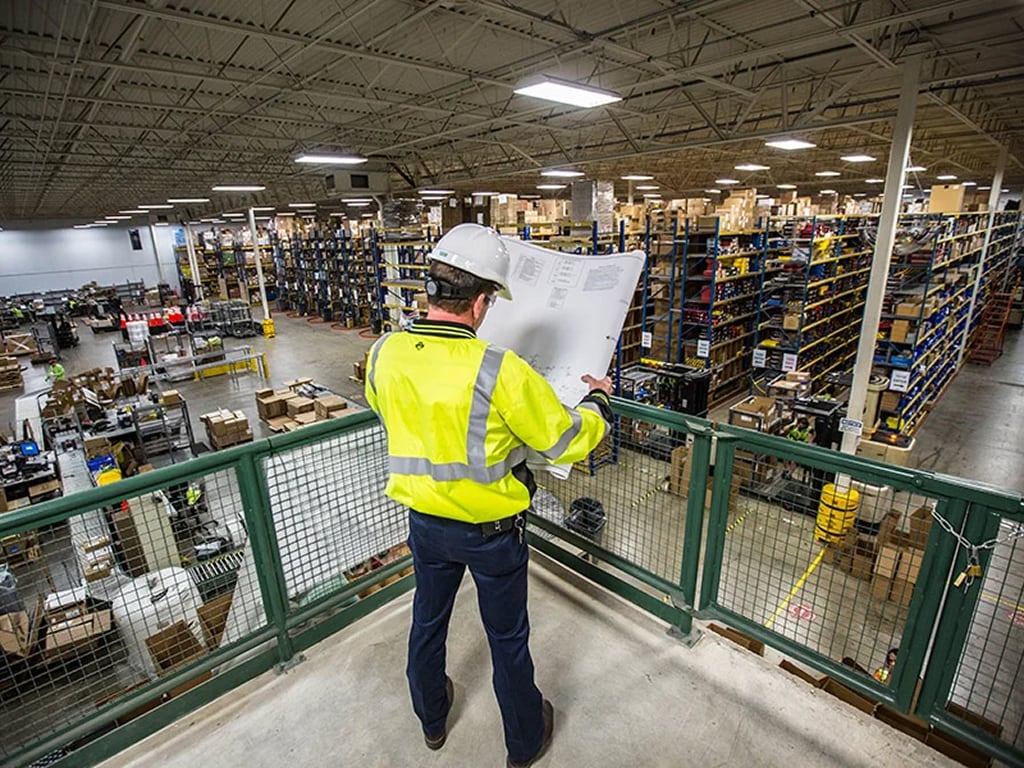
The ORR Experience
Protection for Critical Infrastructure.
Power generation facilities—whether hydroelectric or fossil fuel—present significant and varied fire hazards, driven by both fuel sources and high-energy rotating equipment. Fire also represents a considerable business risk: power plants are substantial capital investments, and downtime can have serious consequences for organizations and communities that depend on a continuous, reliable supply of electricity. Here are some industries we specialize in:
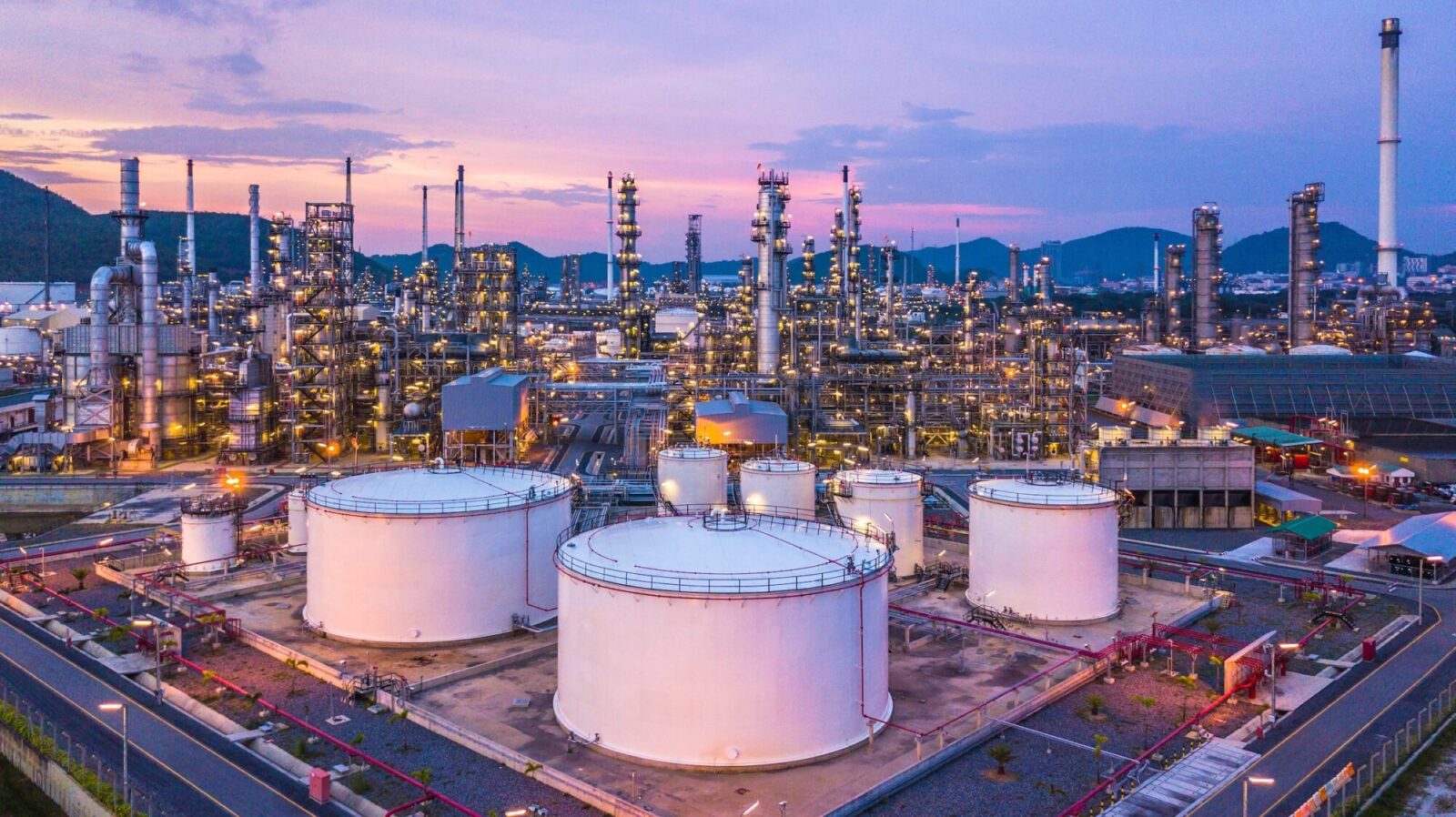
Customized Power Solutions
Power generation facilities face complex fire risks driven by fuel sources, high-energy rotating equipment, and critical electrical infrastructure. ORR Protection delivers engineered fire and life-safety solutions designed to reduce risk, protect high-value assets, and support continuous plant operations. From hazard assessments and code-driven system design to installation, maintenance, and 24/7 emergency response, ORR provides end-to-end protection for power plants where uptime, safety, and reliability are non-negotiable.
ITM&M Expertise & Safety Discipline — Power Generation Facilities
In power generation environments, effective fire protection depends not only on system design and maintenance, but on a deep understanding of plant-specific safety protocols, operating procedures, and work controls. Turbine halls, generator decks, coal handling systems, and electrical yards present elevated hazards that require experienced personnel who know how to work safely within active generation facilities.
ORR Protection brings decades of experience performing Inspection, Testing, Maintenance & Monitoring (ITM&M)in power generation plants while operating within established safety frameworks. Our teams are trained to comply with lockout/tagout (LOTO) requirements, confined space procedures, hot work controls, energized electrical work restrictions, rotating equipment clearances, and site-specific permit systems. This knowledge allows ORR to execute ITM&M activities without introducing new risk to personnel or plant operations.
Fire protection systems in power plants are exposed to heat, vibration, contamination, and mechanical stress that can degrade performance over time. ORR’s ITM&M programs are structured to identify these conditions early, maintain system alignment with original design intent, and support compliance with applicable standards including NFPA 850, NFPA 12, NFPA 25, and NFPA 72 to name a few. Our teams coordinate closely with plant operations to perform inspections and testing during outages or online conditions, minimizing disruption to generation schedules.
In addition, ORR’s use of remote monitoring enhances safety by reducing unnecessary site entry and providing continuous visibility into alarm, supervisory, and trouble conditions. This approach supports faster response, improved situational awareness, and documented system readiness—particularly in unmanned or lightly staffed areas of the plant.
ORR’s strength in power generation ITM&M is built on experience, discipline, and respect for the operating environment. By combining technical expertise with a thorough understanding of plant safety requirements, ORR helps owners protect critical assets, safeguard personnel, and maintain reliable power generation.
Connect with our Energy Team
-
 Rick ReynoldsExecutive Vice President, Business Development
 -
 Chuck HatfieldBusiness Development | Power Generation/Industrial – Atlanta, GA
 -
 Lee Kaiser, P.E.Vice President, Engineering & Training
Request a Consultation
[Request consultation Form]
ORR Protection needs the contact information you provide to us to contact you about our products and services. You may unsubscribe from these communications at anytime. For information on how to unsubscribe, as well as our privacy practices and commitment to protecting your privacy, check out our Privacy Policy.