Protection for Complex Government Environments
Government facilities operate in high-security, mission-critical environments where fire protection must safeguard both people and essential operations. These buildings often house sensitive documents, communications infrastructure, and critical systems that cannot tolerate downtime.
ORR Protection designs fire and life safety strategies tailored to the unique risks of government facilities. Through detailed hazard assessments and engineered system design, we deliver integrated solutions that protect infrastructure, support operational continuity, and meet strict regulatory requirements.
Government Fire Protection Resources
The Government Protection Environment
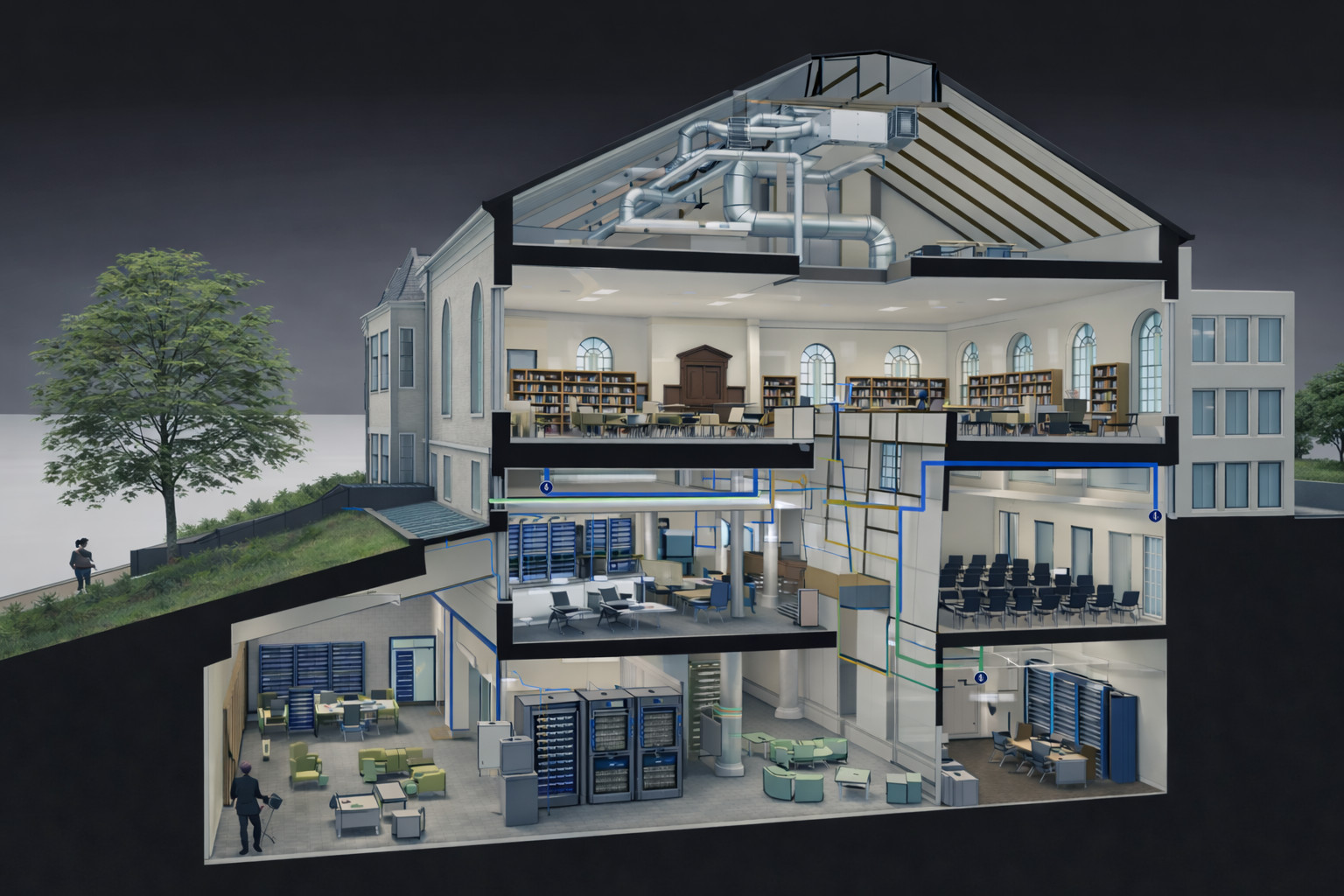
Storage, Library Stacks Areas, Govt Document Storage
Relevant Standards:
NFPA 13 (2025):
- Library stacks may require sprinklers for each tier or aisle due to obstruction from bookshelves. Sprinklers must overcome these obstructions unless proper clearance is maintained (Section 9.3.7).
- For compact, confined storage spaces, the room design method is recommended. This assumes sprinklers are only active in the room where the fire starts, provided it is compartmented and sealed with appropriate fire-rated walls/doors.
Solutions:
- Pre-action sprinkler systems to avoid accidental discharge harming books and archives.
- High-temperature sprinkler heads to ensure activation only in case of actual fire risks.
Reading Rooms and Public Gathering Spaces
Relevant Standards:
NFPA 13 & 101:
- As high-occupancy zones, ensure sprinkler coverage conforms to light hazard density requirements.
- Smoke control systems are a priority (NFPA 101 Section 9.3.2).
NFPA 101 (2024):
- All systems must meet the strictest life safety requirements (Sections 4.5.7, 9.11).
Solutions:
- Smoke detection systems placed at strategic high points for rapid identification of issues.
- Voice alarm and notification devices for effective evacuation.
Entrances, Lounges, and Hallways
Relevant Standards:
NFPA 72 (2025):
- Enhanced detection systems guide people out quickly in case of fire or smoke hazards.
- Sprinkler designs for hallways must consider narrow corridors; install single-row sprinklers where applicable (NFPA 13 Enhanced Content, Section 19.2.3.3).
Solutions:
- Addressable fire alarm systems for efficient identification of threats.
- Emergency exit signs and pull stations located at intervals for ease of escape.
Archives and High-Value Collections
Relevant Standard:
- NFPA 909 (2025): Designed for cultural resource properties, emphasizing fire prevention over suppression.
Solutions:
- Install alternative suppression systems like clean agents (e.g., FM-200, NOVEC 1230) to protect valuable items from water damage.
- Pre-action fire systems with redundant detection to minimize risk of accidental sprinkler discharge.
- Monitor temperature and humidity levels to reduce ignition risk.
Meeting or Event Rooms
Relevant Standards:
NFPA 13 & NFPA 101 (2024):
- Special attention to evacuation planning due to high occupant density.
- Assumes sprinklers are necessary with an allowance for light hazard. applications.
Solutions:
- Multi-sensor smoke alarms to promptly detect fires in large rooms.
- Dedicated fire extinguishing systems for stage or area of primary activities if applicable.
Backrooms (Staff-Only Areas, Supply Closets)
Relevant Standards:
- NFPA 13: Spaces like closets or mechanical areas should use sprinklers designed for ordinary hazards, addressing additional risks like flammable materials (e.g., copier ink, cleaning supplies).
- NFPA 909: Extra storage precautions to prevent fire spread to adjoining areas.
Solutions:
- Wet pipe sprinklers for general areas and overhead systems for corridors.
- Ensure unobstructed ventilation and fire protection measures in connected concealed spaces.
Electrical and Mechanical Rooms
Relevant Standard:
- NFPA 13 Chapter 20: Sprinklers designed to protect electrical or mechanical spaces must be dry or pre-action systems to avoid electrical hazards and cascade effects if pipes fail.
Solution:
- Advanced fire alarm systems with heat-detection to anticipate electrical fires.
- Compartmentalization to isolate these critical assets.
Concealed and Utility Spaces (e.g., Above Ceilings, Voids)
Relevant Standards:
- NFPA 909: Fire scenarios must address concealed spaces without direct detection or sprinkler systems that could allow unnoticed fire spread.
Solutions:
- Install detection devices or limited sprinklers in these spaces.
- Use fire-stopping materials to prevent lateral/vertical fire spread.
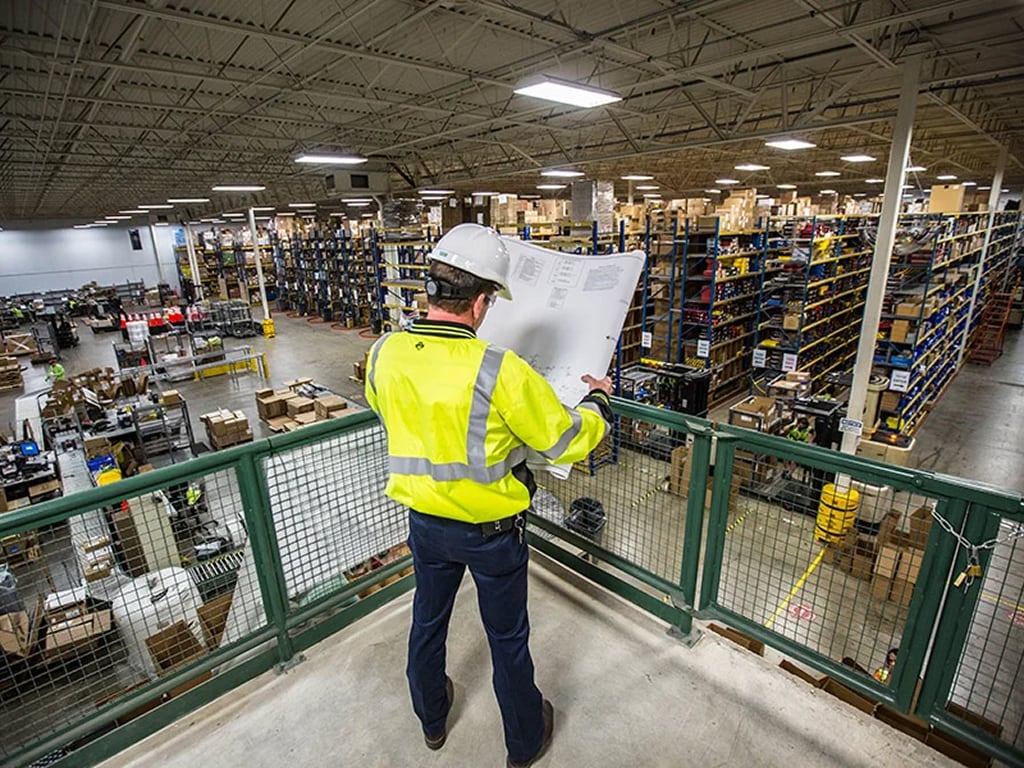
Key Protection Priorities for Government Facilities.
Engineered Solutions for Government Operations
Government facilities require fire protection that performs without compromise. ORR Protection delivers integrated fire and life safety solutions designed to reduce risk, protect mission-critical assets, and maintain uninterrupted operations. From system design and installation to inspection and long-term maintenance, we provide end-to-end support built for complex government environments.
Connect with our Government Fire Protection Team
-
 Rick ReynoldsExecutive Vice President, Business Development
Request a Consultation
[Request consultation Form]
ORR Protection needs the contact information you provide to us to contact you about our products and services. You may unsubscribe from these communications at anytime. For information on how to unsubscribe, as well as our privacy practices and commitment to protecting your privacy, check out our Privacy Policy.