Engineered Fire Protection for Hospitals and Healthcare Facilities
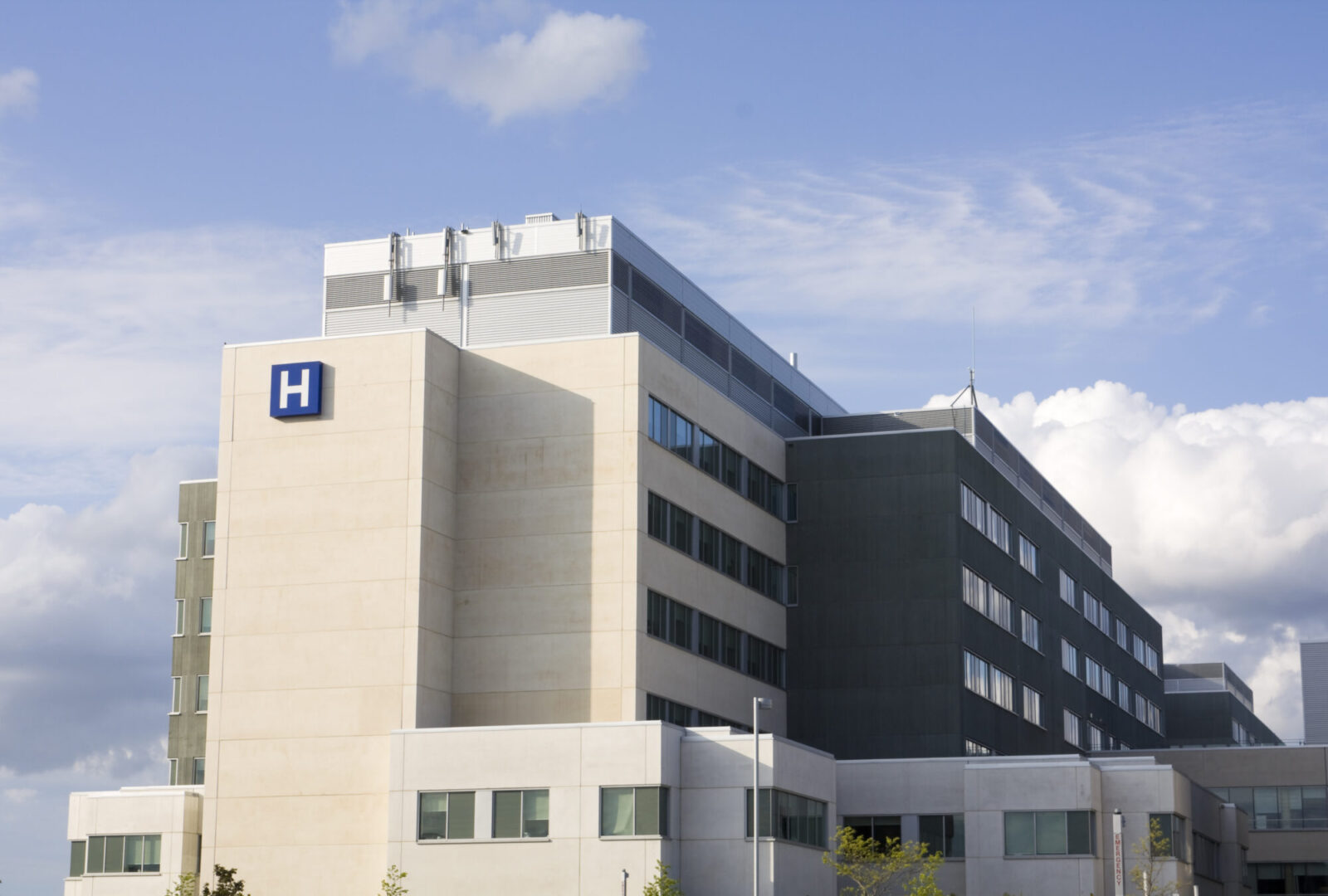
As healthcare facilities grow in sophistication, so does their reliance on advanced equipment, specialized environments, and critical digital infrastructure. Hospitals give special meaning to “24/7 mission critical” and “life safety,” where fire protection systems must protect patients, staff, and operations without compromise.
ORR Protection delivers engineered fire and life safety solutions designed for healthcare environments—where compliance, documentation, and system reliability are essential. Oversight by accreditation bodies such as the Joint Commission (JCAHO) requires inspection, testing, and maintenance (ITM) records to remain accurate and up to date, and ORR supports healthcare teams with the expertise and service discipline needed to stay compliant and prepared.
Key capabilities include:
- System engineering and design
- Code knowledge and compliance support
- Inspection, testing, and maintenance (ITM) services
- Specialty hazard protection for imaging and technology spaces
- Emergency response readiness and documentation support
Healthcare Resources
The Healthcare Protection Experience
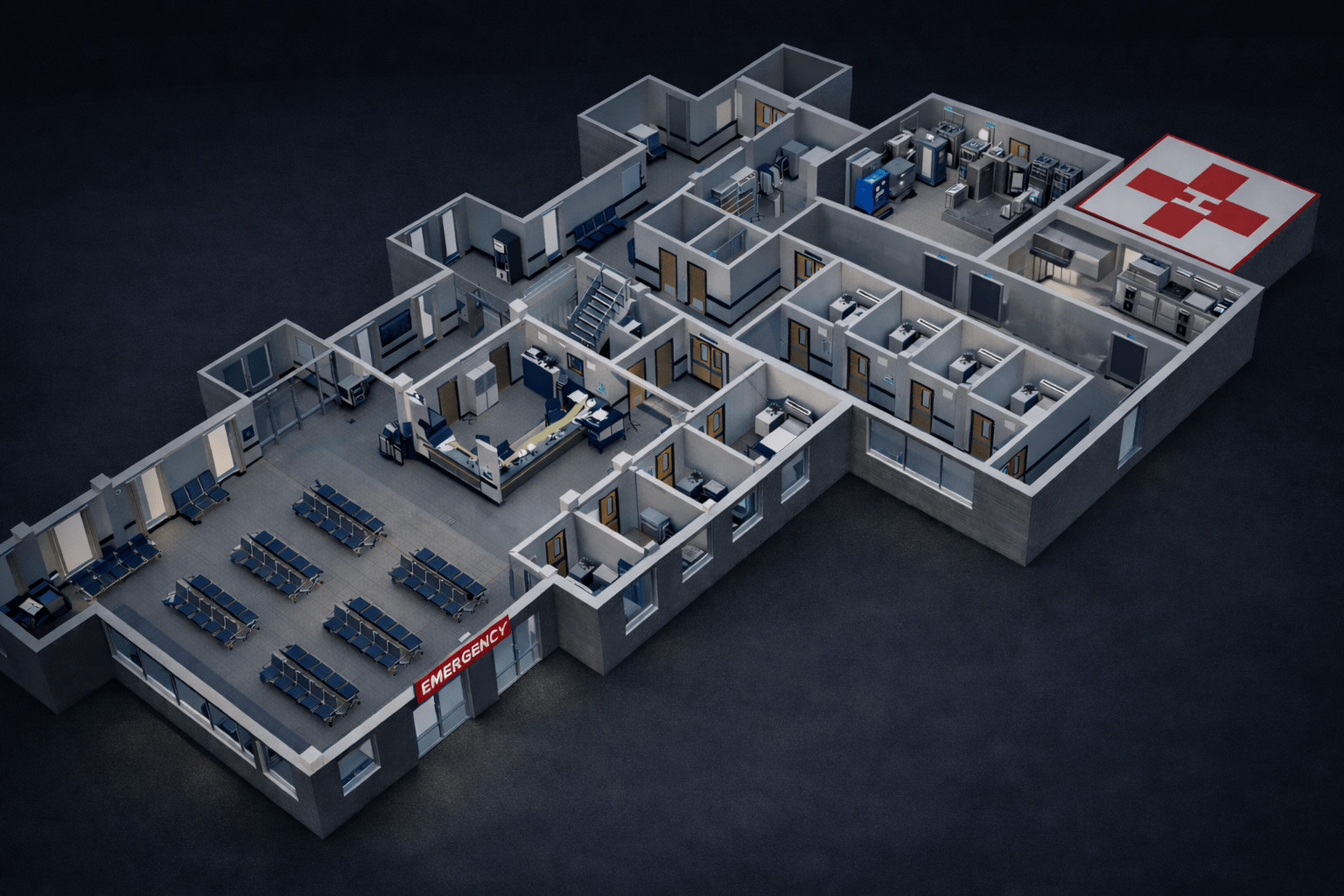
Patient Rooms
Relevant Standards
- •Fire protection designed based on a defend-in-place strategy (horizontal evacuation to safe areas or compartments) rather than full evacuation (NFPA 101 Section 19.1.1.3.2 and NFPA 99 Section 16.7.4.3) .
- •Automatic sprinklers required in all healthcare occupancies unless exempted (NFPA 101 Section 19.3.5.3) .
Solutions:
- •Quick-response sprinklers in each room to ensure rapid suppression in case of fire.
- •Smoke detection and compartmentation with fire-resistance-rated walls to isolate fire spread while maintaining patient safety.
Operating Rooms
Relevant Standards
NFPA 99 Chapter 16 provides specific requirements for flammable liquid use and fire suppression in operating rooms .
Solutions:
- Clean agent fire suppression (e.g., NOVEC 1230 or FM-200) to mitigate fire without water discharge, which could damage sensitive medical equipment.
- Ceiling-mounted smoke detectors for rapid fire or smoke detection.
Electrical safety: Install spark-resistant outlets and insulation to minimize the risk of ignition.
Intensive Care Units (ICUs)
Relevant Standards
Defend-in-place strategy due to the immobility of patients (NFPA 101 Chapters 18 and 19).
Solutions:
- Fire-rated barriers for compartmentation to allow horizontal evacuation
- Fire alarms configured for private mode operation to avoid unnecessary disruption. Alarms activate silently for staff but provide detailed information to ensure quick, decisive action.
- Pre-action sprinkler systems to limit accidental water damage.
Corridors and Common Areas (e.g., Waiting Rooms)
Relevant Standards
Smoke barriers dividing corridors into compartments (NFPA 101 Chapter 18 for new constructions and Chapter 19 for existing facilities).
Solutions:
- Water-based sprinkler systems designed as per NFPA 13 standards.
- Fire alarm systems with visible and audible notification for occupants.
- Smoke detection systems integrated with automatic doors to isolate fire zones.
Storage and Hazardous Areas
Relevant Standards
Isolated hazardous areas (e.g., supply closets, laundry, or labs storing flammable chemicals) require protection as per NFPA 101 Section 19.3.5.9 .
Solutions:
- Wet-pipe sprinklers in storage areas with waterflow detection for automatic alarm initiation.
- Dry or pre-action sprinklers in chemical storage to avoid accidental water damage to flammables.
- Fire-resistant enclosures for hazardous materials, equipped with ventilation to reduce fire risks.
Utility and Mechanical Spaces
Relevant Standards:
Fire alarm and suppression systems per NFPA 13 and NFPA 72.
Solutions:
- Install clean agent suppression systems in electrical and mechanical rooms to protect sensitive equipment.
- Heat detectors to identify overheating that could lead to fires.
Kitchens
Relevant Standards:
Commercial cooking facilities in healthcare settings must follow NFPA 96 (ventilation and fire suppression for cooking equipment).
Solutions:
- Wet chemical systems for grease-related fires in hoods and ducts.
- Manual pull-stations for kitchen hood suppression systems to provide immediate discharge when needed.
Labs and Diagnostic Rooms
Relevant Standards:
NFPA 99 Chapter 16 and NFPA 101 Section 19.1.1.3.2.
Solutions:
- Fire suppression systems designed for ordinary hazard occupancies if using flammable materials.
- Exhaust fans and air filtration to reduce ignition risk due to chemical fumes.
Vertical Shafts and Stairwells
Relevant Standards
Stairwells serve as egress routes for mobile occupants but are not the primary evacuation means for patients (NFPA 101 Chapter 18) .
Solutions:
- Fire-rated enclosures for vertical shafts.
- Pressurization systems in stairwells to keep them smoke-free during evacuation.
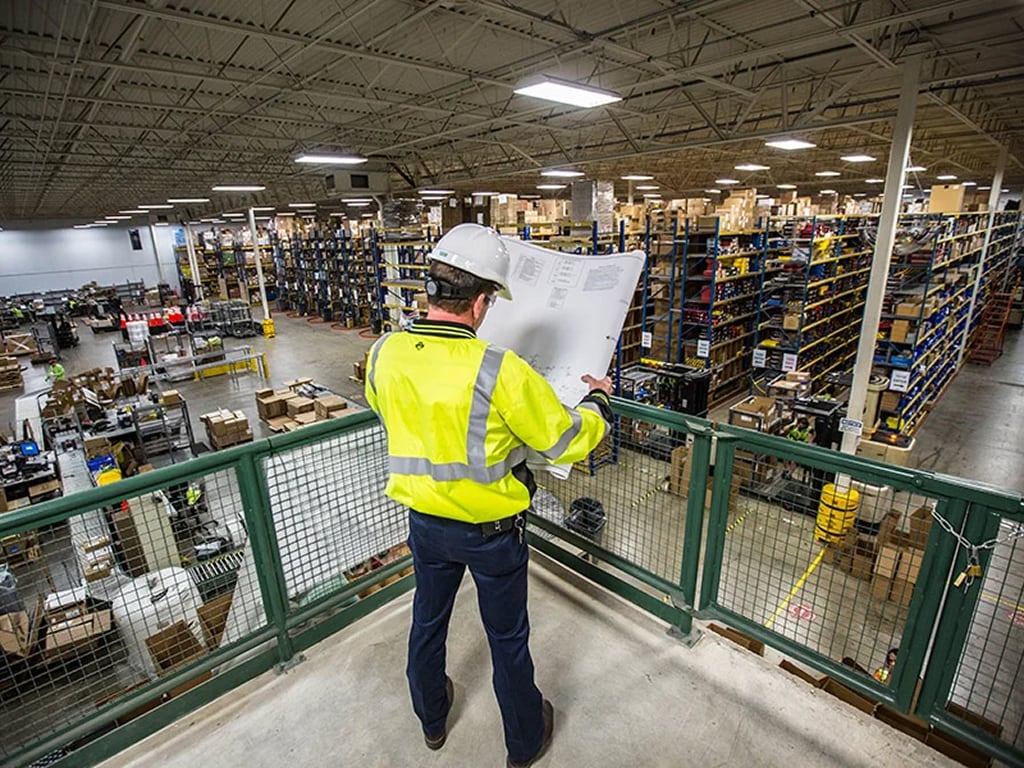
Life Safety Without Downtime.
Hospitals and healthcare facilities require fire protection strategies that support patient care, minimize disruption, and protect highly specialized environments. From diagnostic imaging suites to internal data centers, ORR helps healthcare teams implement fire protection systems that prioritize safety, early detection, and fast suppression—while meeting stringent compliance requirements. Here are key areas of protection we specialize in.
Customized Fire Protection for Healthcare Environments
Healthcare fire protection is more than code compliance—it’s about protecting people in the most critical moments, preserving continuity of care, and supporting facility operations without disruption. ORR delivers engineered solutions that combine advanced detection, reliable suppression, and service excellence to help hospitals and healthcare systems stay protected and prepared.
From specialty hazard environments like MRI suites to healthcare data rooms and campus-wide life safety systems, ORR provides end-to-end protection built for performance, documentation, and 24/7 readiness.
Connect with our Healthcare Team
-
 Lee Kaiser, P.E.Vice President, Engineering & Training
Request a Consultation
[Request consultation Form]
ORR Protection needs the contact information you provide to us to contact you about our products and services. You may unsubscribe from these communications at anytime. For information on how to unsubscribe, as well as our privacy practices and commitment to protecting your privacy, check out our Privacy Policy.