Engineered Protection for Cultural and Historic Properties
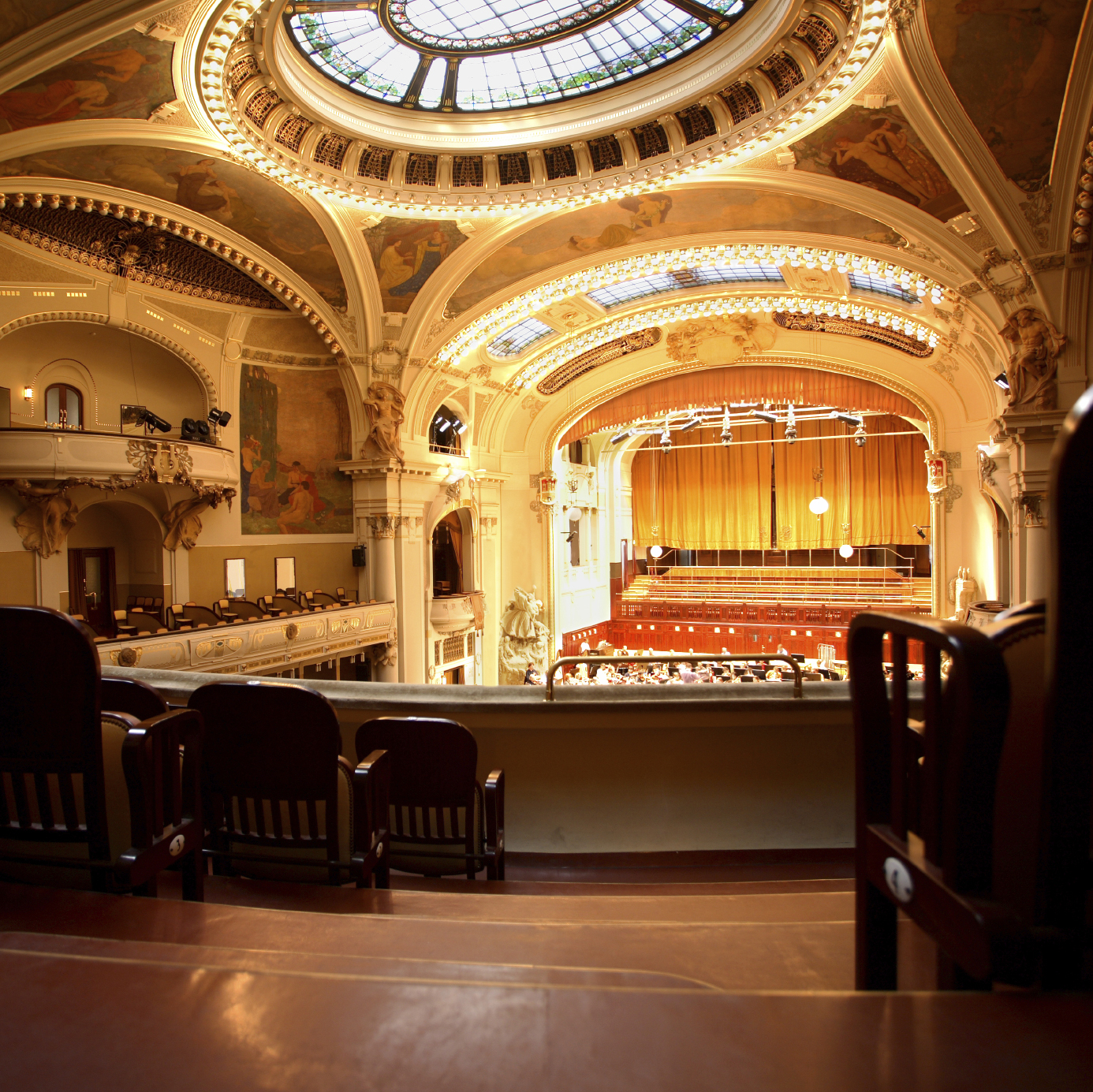
Museums, rare-book libraries, and historic buildings exist to safeguard our heritage—preserving it for future generations. Unfortunately, throughout history, fire has remained one of the greatest threats to cultural artifacts and historical structures. Priceless works of art, centuries-old documents, and irreplaceable architecture are not only highly susceptible to fire, but they also require protection strategies that won’t destroy what they’re meant to save.
ORR Protection provides engineered fire protection solutions designed to balance life safety, code compliance, and preservation. From early detection to suppression technologies that minimize collateral damage, ORR helps institutions protect what cannot be replaced—while supporting the facility’s operational needs and local authorities’ requirements.
Key capabilities include:
- Emergency planning and response readiness
- System engineering and design
- Code knowledge and compliance support
- Technology selection and application guidance
- Renovation, retrofit, and sensitive installation support
Historical & Cultural Resources
The Historical & Cultural Protection Experience
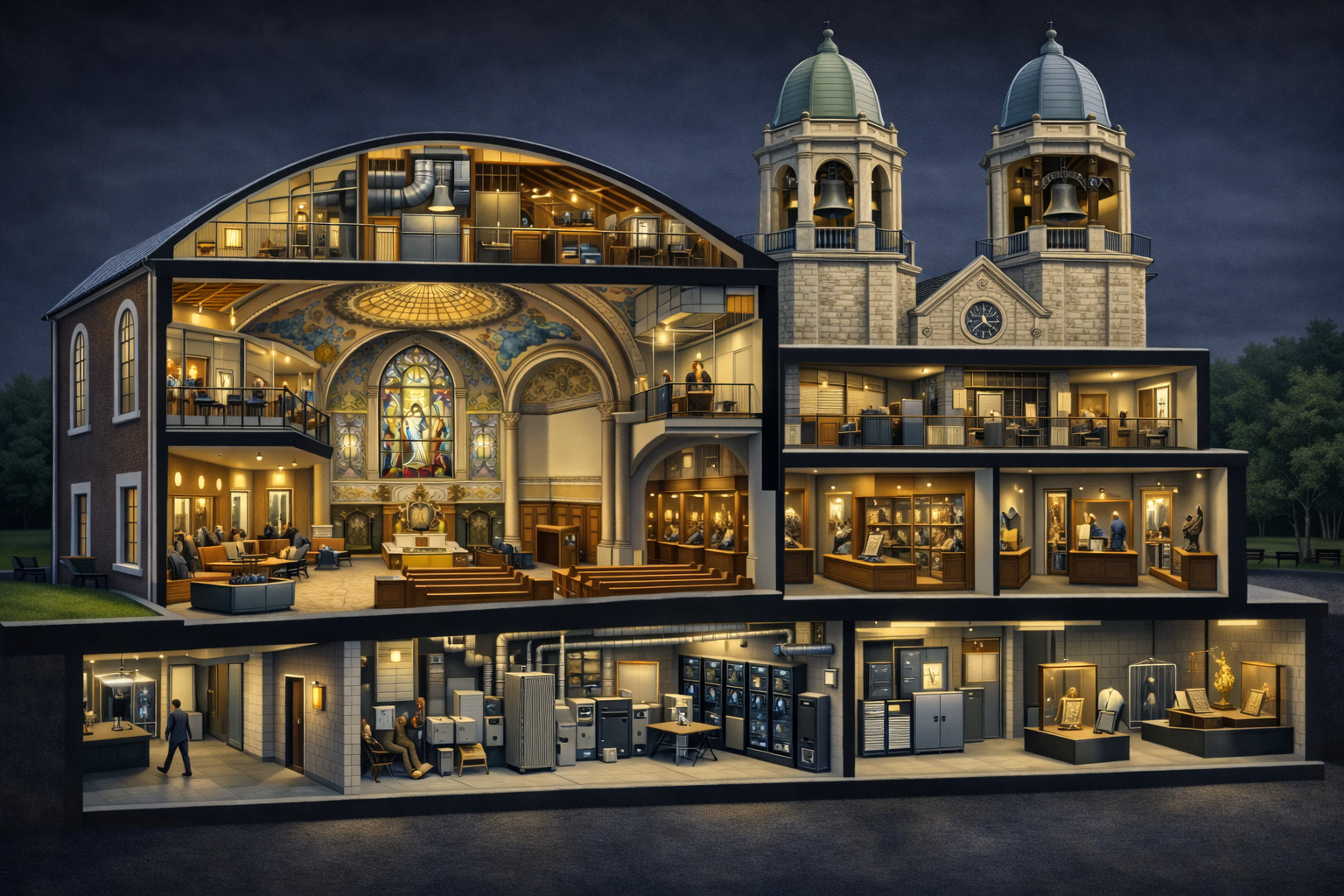
Sanctuaries or Main Public Areas
Challenges:
- Open spaces with high ceilings, wooden trusses, and combustible finishes (floors, pews, timber beams) elevate fire risks.
- Preservation of decorative woodwork and artwork.
Relevant Standards:
- Maintain fire integrity and historical authenticity per NFPA 914 Section 4.3.2.
- Use fire suppression systems, minimally invasive to aesthetics.
Solutions:
- Install concealed quick-response sprinklers or pre-action systems, which both minimize water damage risk and maintain architectural aesthetics.
- Employ ceiling smoke detection systems, such as beam detectors, to account for high ceilings.
Steeples, Roofs, and Upper Structures
Challenges:
- Historical roofing materials such as wood shingles create a significant fire hazard.
- Roof renovations often lead to accidental fires (e.g., St. Catherine’s Church fire, Poland).
Relevant Standards:
- Structural fire resistance and fire barrier systems (NFPA 914 Annex A).
Solutions:
- Install localized sprinklers or dry pipe systems in roof spaces.
- Monitor the area with specialized heat detectors to identify smoldering materials.
Museums or Display Rooms (Interior Features and Artifacts)
Challenges:
- Priceless artifacts can be irreparably damaged by fire or water.
Relevant Standards:
- NFPA 909 highlights the need for fire prevention and suppression for cultural artifacts.
Solutions:
- Use clean agent fire suppression systems (e.g., NOVEC 1230 or FM-200) to preserve artifacts.
- Install aspirating smoke detectors for early warning.
- Create fire-resistant display cases for highly flammable materials.
Utility and Support Areas
Challenges:
- Mechanical spaces and electrical installations often house ignition sources.
Relevant Standards:
- Ensure fire suppression systems comply with NFPA 13’s provisions for hazardous equipment zones.
Solutions:
- Use pre-action sprinkler systems to reduce accidental discharge risks.
- Install heat detectors in boiler rooms or mechanical areas to identify overheating.
Special Considerations for Aesthetics
1. Preservation of Visual Integrity
- Use concealed or recessed sprinklers and low-profile detectors (NFPA 914 Section 4.3.2.1).
- Ensure any modifications blend with the building’s architectural details.
2. Performance-Based Design:
- NFPA 914 recommends conducting a fire risk assessment specific to each building’s use and historical value (Annex C).
- Develop customized solutions such as localized suppression for irreplaceable areas or objects.
3. Administrative Controls:
- Fire plans must address unique risks, such as spontaneous combustion during restoration activities (NFPA 909 Annex B).
- Implement strict maintenance guidelines, such as prohibiting open flames and using non-heat-based restoration tools (e.g., avoiding hot irons).
Protection Without Compromise
Fire protection in historical and cultural environments requires a different standard of thinking. Systems must support life safety while also preserving priceless artifacts, irreplaceable records, and historic materials. ORR helps guide decision-making among curators, architects/engineers, and the local AHJ to identify solutions that protect occupants and collections—without unnecessary damage or visual disruption. Here are key areas of protection we specialize in.
Customized Fire Protection for Historic and Cultural Facilities
Historic buildings and cultural institutions require fire protection systems designed with greater care, deeper coordination, and preservation in mind. ORR delivers engineered solutions that reduce risk while respecting architectural integrity and protecting priceless collections.
From detection selection and retrofit planning to suppression design and code alignment, ORR supports cultural facilities with end-to-end fire protection expertise—helping customers meet the intent of modern standards while safeguarding what cannot be replaced.
Connect with our Historic and Cultural Team
-
 Lee Kaiser, P.E.Vice President, Engineering & Training
Request a Consultation
[Request consultation Form]
ORR Protection needs the contact information you provide to us to contact you about our products and services. You may unsubscribe from these communications at anytime. For information on how to unsubscribe, as well as our privacy practices and commitment to protecting your privacy, check out our Privacy Policy.