Customized Solutions Built to Code
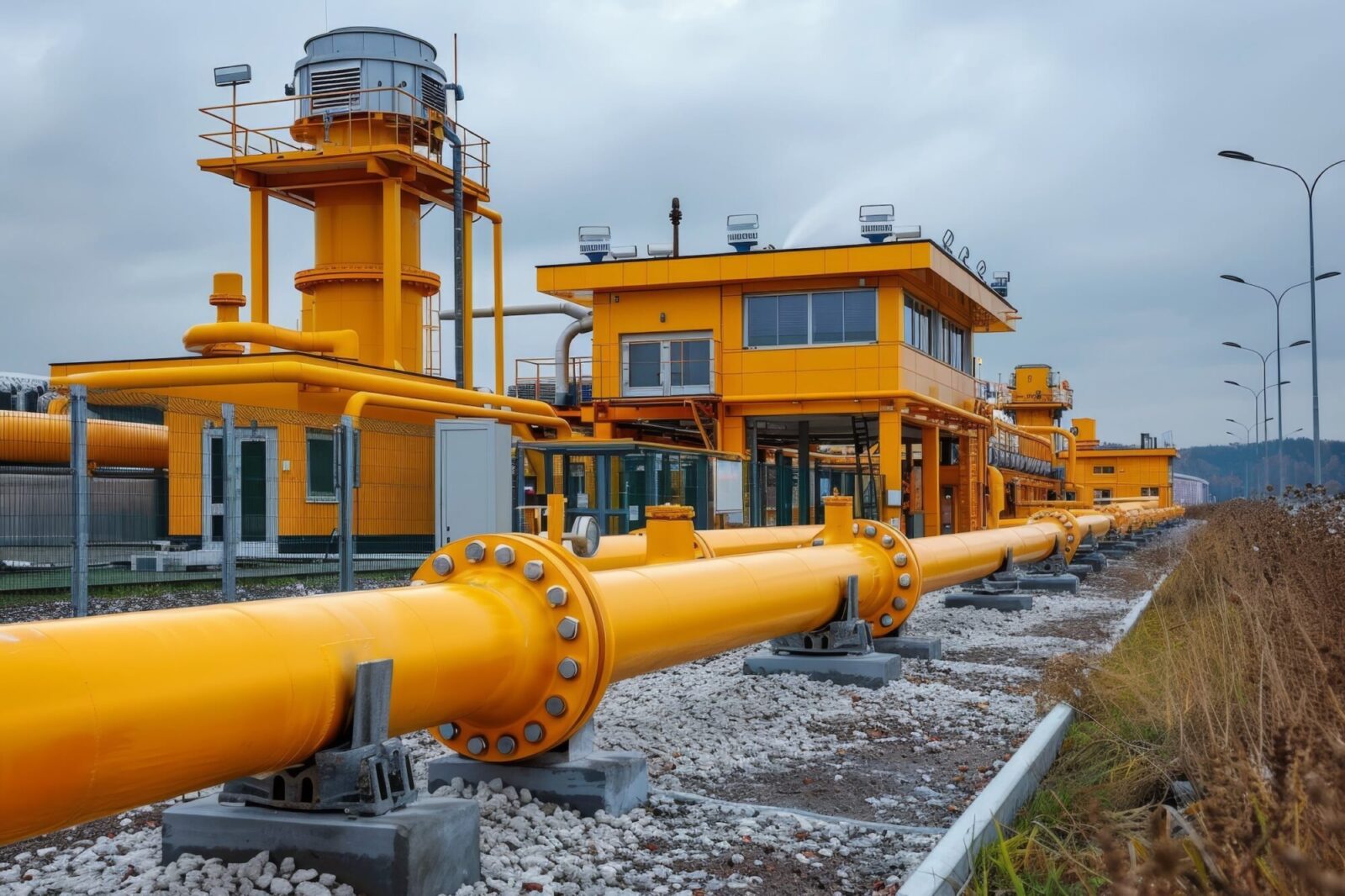
Compressor stations play a critical role in the long-distance delivery of petroleum products—but they also present serious fire and explosion hazards. Leaks and equipment failures can lead to flash fires, pressurized jet fires, pool fires, and fires in confined or low-lying areas where fuel can collect.
Effective fire protection for oil and gas compressor stations requires a multi-layered strategy that combines both passive and active safeguards. Key components often include gas leak detection, flame detection, fire suppression systems, and clearly defined emergency response procedures—working together to reduce risk and support rapid response.
ORR Protection delivers custom-engineered fire protection solutions for Class I, Division 2 oil and gas compressor stations. Our systems are designed to meet strict manufacturer specifications and operational requirements while minimizing downtime, improving site safety, and supporting reliable facility performance.
Oil and Gas Resources
The Data Center Experience
Compressor Halls
Relevant Standards
- Sprinkler and suppression system design must be per NFPA 55 Chapter 6, requiring systems to meet Ordinary Hazard Group 2 density/area curve requirements.
- Explosion suppression or venting systems are mandatory in high-hazard areas per NFPA 101 Section 40.3.2.1.
Solutions:
- Fire Suppression: Use deluge sprinklers or foam systems designed for flammable gas risks.
- Detectors: Install gas, flame, and heat detectors that trigger both local alarm systems and automatic suppression.
- Explosion Venting: Integrate NFPA-compliant explosion-relief panels to vent pressure safely and avoid catastrophic damage.
Gas Processing/Control Rooms
Relevant Standards
- Fire barriers must protect compressed gas systems, with termination downstream of the source valve (NFPA 55 Section 7.8.2.1.1) .
- Detection, alarms, and suppression systems are required per NFPA 101 Section 40.3.4.1 .
Solutions:
- Install clean agent suppression systems (e.g., NOVEC 1230) to extinguish fires without damaging electronic controls.
- Use continuous gas monitoring for toxic or flammable gas leaks.
Encapsulate gas lines in fireproof protective enclosures.
Flammable Liquid Storage Areas
Relevant Standards
Comply with NFPA 30 for flammable liquids and consider guidance from API 2218 for fireproofing exposed steel in high-challenge fire exposures .
Solutions:
- Protect storage tanks with foam-water systems.
- Install secondary containment systems (e.g., dikes) for spill prevention and automatic drainage.
- Introduce NFPA 30-required vapor detectors to identify potential flammable gas buildup.
Maintenance and Utility Buildings
Relevant Standards
Utility spaces housing hazardous materials or processes require suppression and fire-resistant enclosures as per NFPA 101 Chapter 40 .
Solutions:
- Standard wet-pipe sprinklers for general fire risks.
- Equip hazardous material storage with explosion-proof lighting and heat detectors.
- Clearly mark and provide easy access to fire extinguishers and standpipes for first-aid fire response .
Electrical Rooms
Relevant Standards:
Fire protection measures in electrical rooms must be non-water-based (per NFPA 130 or site-specific standards for electrical equipment).
Solutions:
- Use clean agent suppression or CO2 systems for non-conductive fire suppression.
- Integrate thermal imaging or temperature-sensitive devices for early overheating detection.
Hazardous Material Handling Zones
Relevant Standards
Compliant fire detection systems and segregation (NFPA 55 Section 7.8) .
Solutions:
- Use flame detectors and automatic release mechanisms for remotely operated valve shutoff.
- Continuous monitoring of air quality for combustible and oxidizing gas concentrations.
Office and Administrative Areas
Relevant Standards
Adhere to NFPA 101 general fire alarm and egress requirements for industrial occupancies.
Solutions:
- Standard sprinkler systems with quick-response heads.
- Smoke and carbon monoxide alarms integrated with building fire alarms.
- Emergency lighting and signage for evacuation routes.
Tank Farm Areas (Storage of Liquefied Gases or Flammable Liquids)
Relevant Standards
NFPA 30 and NFPA 55 require specialized fire suppression systems in outdoor storage areas .
Solutions:
- Install foam-water deluge systems and monitor tank roofs for ignition sources.
- Remote operation capabilities for gas shutoff valves in emergencies.
- Provide thermal barrier insulation and cooling deluge systems for blast-control tanks.
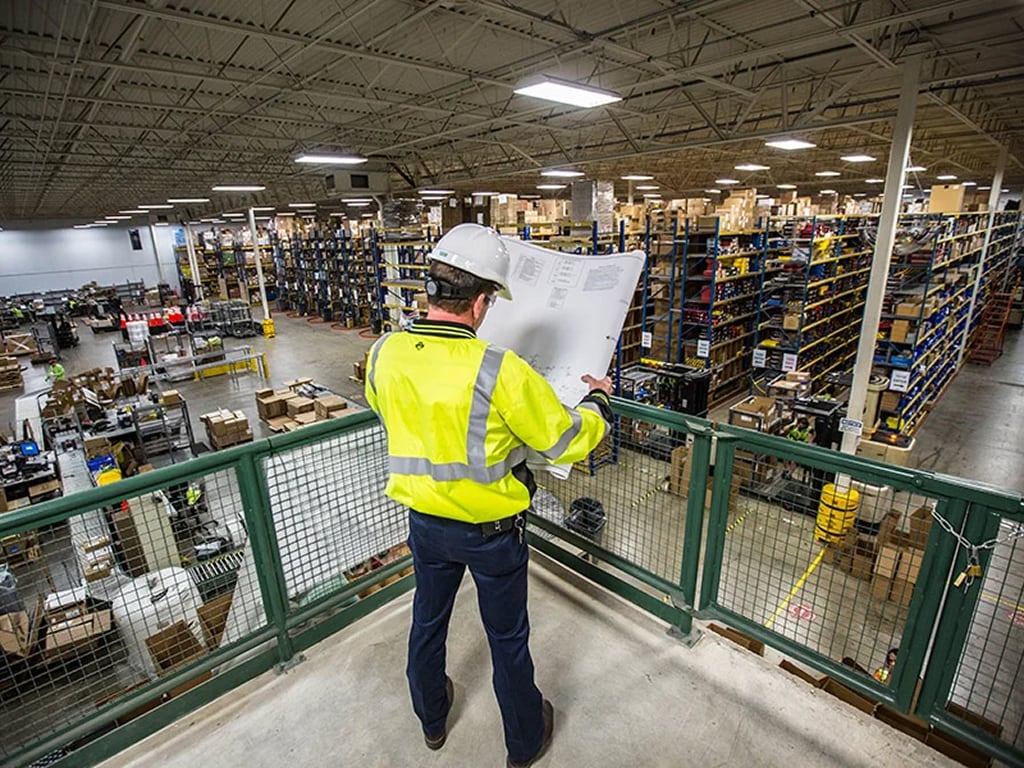
The ORR Difference
ORR Protection delivers engineered fire protection solutions for oil and gas facilities where risk is high and uptime matters. From detection and suppression to emergency response planning, our systems are built for harsh environments and critical areas like control rooms, electrical rooms, and process equipment—helping reduce risk, protect personnel, and minimize downtime.
Considerations and Protection
Whether you need a new system or are upgrading existing infrastructure, ORR Protection has the expertise and technology to protect your people, assets, and operations.
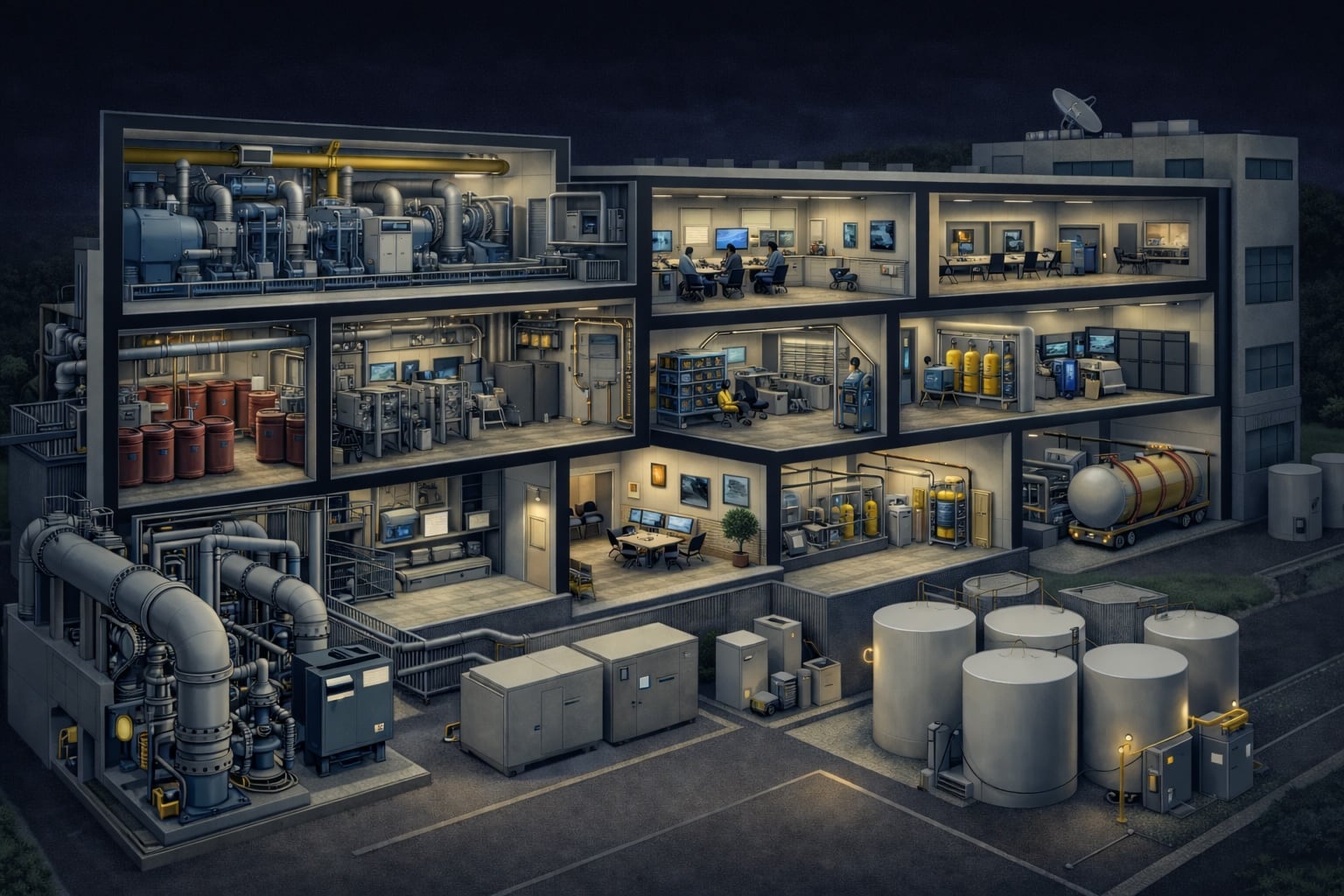
Oil and gas facilities—including offshore platforms, pumping stations, refineries, storage tanks, compressor stations, gas processing plants, and LNG receiving facilities—present significant fire hazards. These risks are often amplified by harsh operating conditions, remote locations, and complex processes.
Control Rooms: Control room equipment is essential to safe and continuous operations. ORR designs protection using early detection and clean agent suppression to extinguish fires quickly—without damaging sensitive electronics or critical control systems.
Connect with our Oil and Gas Team
-
 Chuck HatfieldBusiness Development | Power Generation/Industrial – Atlanta, GA
 -
 Lee Kaiser, P.E.Vice President, Engineering & Training
Request a Consultation
[Request consultation Form]
ORR Protection needs the contact information you provide to us to contact you about our products and services. You may unsubscribe from these communications at anytime. For information on how to unsubscribe, as well as our privacy practices and commitment to protecting your privacy, check out our Privacy Policy.