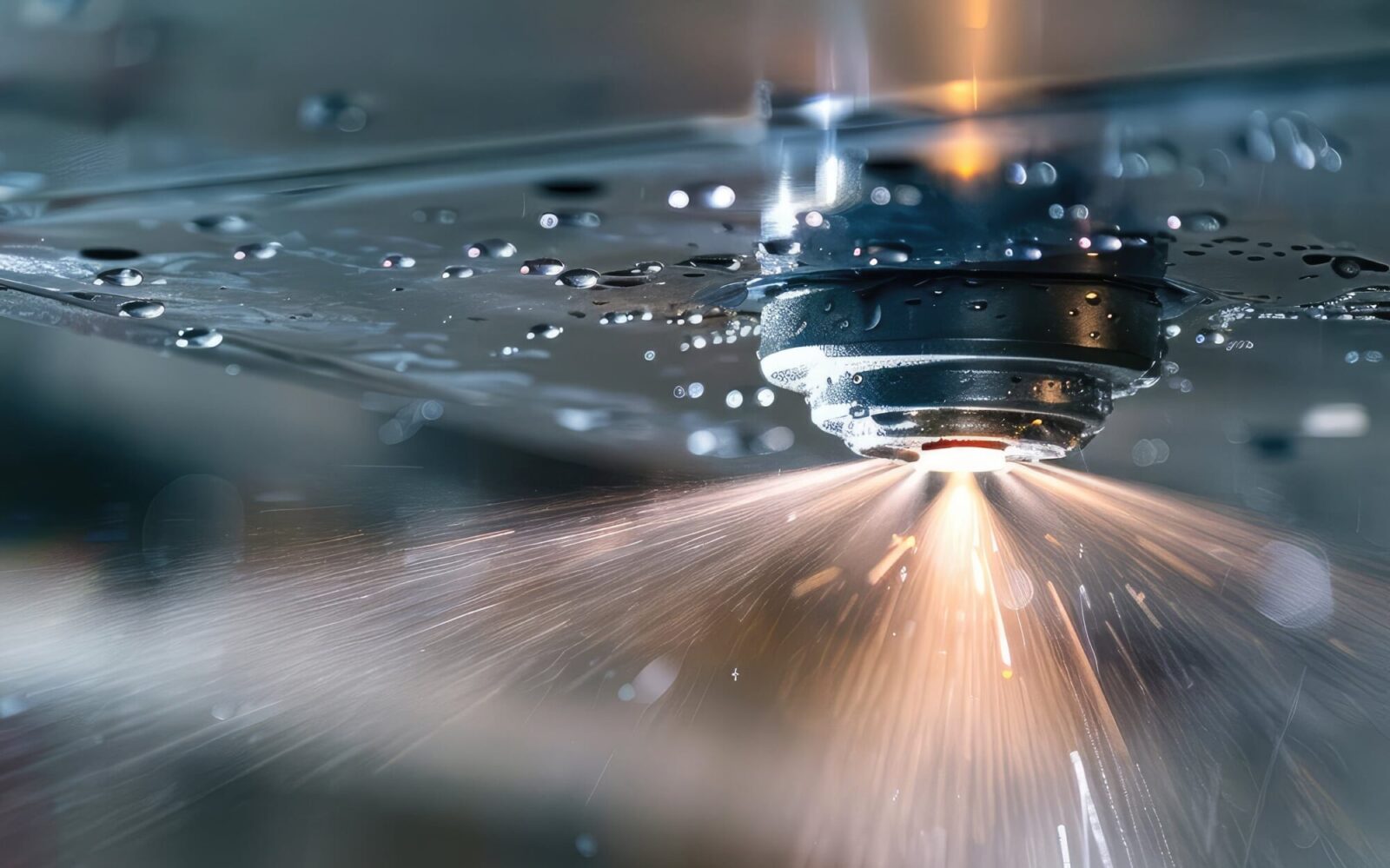
Suppression That Protects Uptime, Assets, and People
Fire suppression is the last line of defense when prevention and detection aren’t enough. ORR designs, installs, and services suppression systems engineered around your hazard, your operations, and your compliance requirements—so you can stop an event before it becomes a major loss.
From clean agents for sensitive electronics to inert gases, CO₂, foam, dry chemical, water mist, and sprinkler systems, ORR helps customers select the right solution—and applies it correctly with disciplined engineering and field execution.
Suppression Resources
Suppression Systems Brochure
Clean Agent Overview
NFPA 2001 Summary
NFPA 12 Summary
NFPA 750 Water Mist Overview
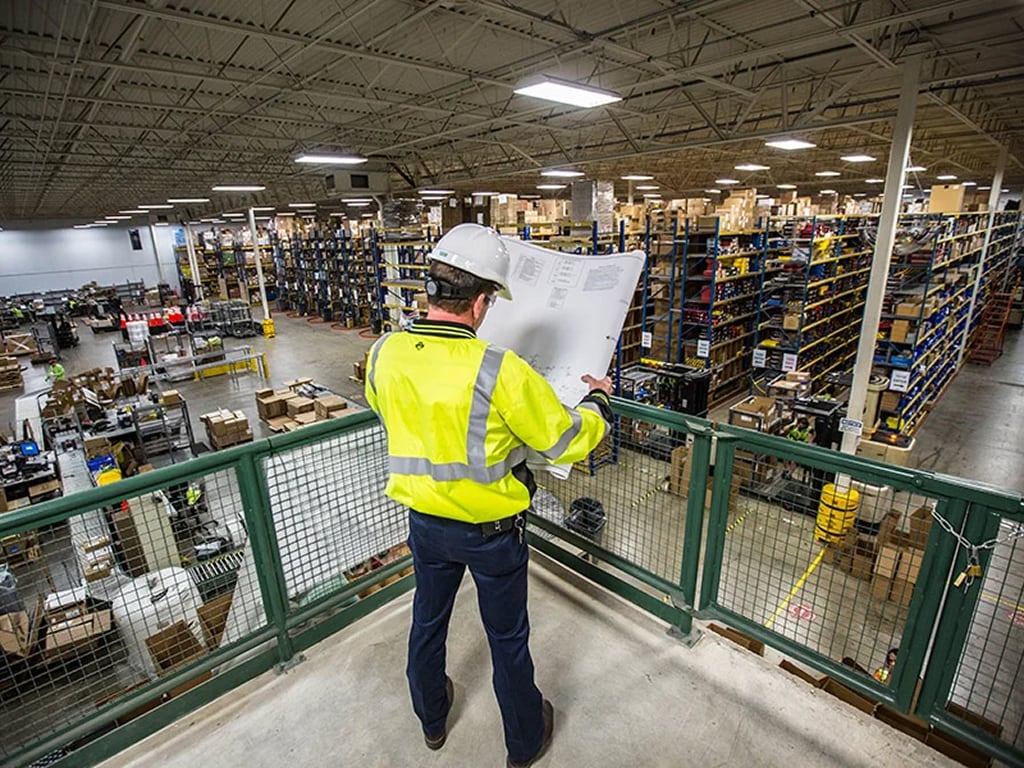
Selecting the Right Suppression for the Hazard.
No suppression system is “best” in every environment. The right choice depends on fuel type, occupancy, enclosure integrity, asset sensitivity, downtime tolerance, and code requirements. ORR helps you evaluate performance, safety, and lifecycle considerations—then designs a system that works when it matters most.
Fire Detection and Suppression Systems
Fire protection works best as an integrated strategy. Detection identifies the developing threat; suppression stops it. ORR engineers complete solutions that coordinate detection, releasing controls, and suppression discharge—designed to protect occupants, reduce loss, and restore operations faster.
Halon Fire Suppression (Legacy Systems)
Halon 1301 was long considered the gold standard for clean suppression—until it was phased out under the Montreal Protocol due to ozone depletion impacts. Many facilities still operate legacy Halon systems today and need a clear path forward. ORR helps evaluate existing infrastructure and plan a practical transition to modern clean agents with performance comparable to Halon—while supporting compliance, safety, and lifecycle serviceability.
FM-200® (HFC-227ea) Clean Agent Systems
FM-200 is a fast-acting, total flooding clean agent used to suppress Class A, B, and C fire risks in enclosed hazards. It’s colorless, electrically non-conductive, leaves no residue, and can be used in occupied spaces when designed and applied correctly. In many environments, speed matters—and FM-200 can reach extinguishing levels in seconds, reducing damage and downtime.
ECARO-25® (HFC-125 / FE-25) Clean Agent Systems
ECARO-25 uses HFC-125 (FE-25) as a clean agent that suppresses fires through a combination of physical heat absorption and chemical chain-reaction interruption. It leaves no residue, supports occupied space applications when designed correctly, and can be an efficient replacement option for certain legacy Halon systems. In many cases, the physical properties can enable smaller piping and flexible cylinder placement—helping simplify installation and reduce disruption.
3M™ Novec™ 1230 (FK-5-1-12) Clean Agent Systems
Novec 1230 (FK-5-1-12) is a clean agent fire protection fluid stored in cylinders as a liquid and discharged as a vapor to flood the protected space. It is non-conductive, leaves no residue, and is widely used where sensitive electronics, critical data, or high-value assets cannot tolerate water damage or cleanup downtime. It’s referenced in NFPA 2001 and ISO 14520 and is commonly selected for its environmental profile and operational suitability in occupied spaces.
Sapphire® (FK-5-1-12) Total Flooding Systems
Sapphire systems use FK-5-1-12 (Novec 1230 fluid) for total flooding applications and are custom-engineered to the specific hazard. These systems are designed to suppress fires quickly while protecting sensitive equipment and minimizing collateral damage. ORR helps ensure the full solution—from detection through discharge—meets the performance and compliance expectations of mission-critical environments.
Argonite (IG-55) Inert Gas Systems
Argonite (IG-55) is a blend of nitrogen and argon designed to suppress fire by reducing oxygen levels below the point that supports combustion—while still supporting short-duration human egress when designed correctly. It produces no residue and has no ozone depletion potential and no direct global warming potential. Inert gas systems are often selected where clean operation, compatibility with sensitive assets, and environmental considerations are key.
INERGEN® (IG-541) Inert Gas Systems
INERGEN is a blend of nitrogen, argon, and carbon dioxide engineered to reduce oxygen concentration while increasing CO₂ slightly—encouraging deeper breathing to support egress in a reduced-oxygen atmosphere. It’s commonly used for enclosed, mission-critical spaces where clean suppression is required and where electronics or irreplaceable assets cannot tolerate residue or water damage.
Pro-Inert (IG-55) Inert Gas Systems
Pro-Inert is another IG-55 inert gas option (nitrogen/argon blend) used in total flooding applications. It suppresses by oxygen reduction, leaves no residue, and does not decompose into corrosive byproducts during discharge. ORR helps evaluate inert gas options based on enclosure integrity, hold-time needs, and system design constraints.
Carbon Dioxide (CO₂) Fire Suppression Systems
CO₂ is a highly effective “clean” agent for normally unoccupied spaces, leaving no residue and supporting rapid restoration after discharge. It suppresses fire by displacing oxygen and is governed by NFPA 12 for local application and total flooding designs. Because CO₂ creates a life safety hazard in occupied spaces, ORR designs CO₂ systems with appropriate safeguards, alarms, and controls—and applies them only where appropriate.
Dry Chemical Fire Suppression Systems
Dry chemical systems are a proven solution for industrial hazards involving flammable liquids and gases, combustible solids, and energized electrical risks (depending on the agent type). These systems interrupt the chemical chain reaction of combustion and can be configured for automatic or manual actuation. ORR designs dry chemical systems around the specific hazard profile and applicable standards such as NFPA 17 and NFPA 33 where relevant.
Foam Fire Suppression Systems
Foam systems are commonly used for flammable or combustible liquid hazards, including fuel handling and processing environments. Low-expansion foam creates a smothering blanket over the liquid surface; medium- and high-expansion foam can be used to fill volumes and exclude oxygen. ORR engineers foam solutions to the fuel, application method, and facility constraints—balancing knockdown, vapor suppression, and operational practicality.
In-Cabinet / Micro-Environment Suppression
In-cabinet systems protect a targeted micro-environment—such as server cabinets, UPS/switchgear cabinets, CNC machines, or control enclosures—without flooding the entire room. This can be a cost-effective way to protect the highest-value asset directly at the most likely ignition source. ORR helps customers determine where micro-suppression is the right fit and where broader room protection is required.
FE-13 Clean Agent Systems
FE-13 is a high-pressure clean agent option known for strong mixing in cluttered hazards, high nozzle height capability, and performance in low-temperature environments. It leaves no residue and can be used in occupied spaces within specified exposure limits when designed correctly. ORR evaluates FE-13 for applications where temperature range, ceiling height, or discharge characteristics make it a strong fit.
Water Mist Fire Suppression
Water mist uses fine droplets to cool the flame, displace oxygen locally through evaporation, and reduce radiant heat—often achieving suppression with significantly less water than traditional sprinklers. Water mist is covered by NFPA 750 and can offer benefits such as minimized water damage, high suppression efficiency, and strong performance across certain fire scenarios when properly engineered.
Commercial Fire Sprinkler Systems
Sprinklers remain one of the most effective, widely accepted fire protection methods for commercial and industrial buildings. ORR designs, installs, inspects, and maintains sprinkler systems tailored to the facility and hazard—including wet, dry, pre-action, deluge, and foam-water configurations. When code compliance and dependable performance matter, sprinklers are often the foundation of a complete fire protection strategy.
Suppression You Can Trust When Failure Isn’t an Option
The right suppression solution is the one that matches your hazard, protects your assets, and performs under real conditions—not just on paper. ORR delivers engineered suppression systems backed by disciplined design, code alignment, and long-term service support to keep protection reliable, compliant, and ready.